
Exterior walls need priming when the surface and chosen paint system require it. Bare timber, previously painted cladding and mineral-based exterior walls need different assessments. Spot priming may be sufficient when repainting, while some systems use a different sequence. There is therefore no single rule requiring priming oil, primer and two finish coats for every exterior.
NLL Guides · GUIDE
Priming exterior walls: when and why primer is needed
 Dorde Lalic founder and ownerLinkedIn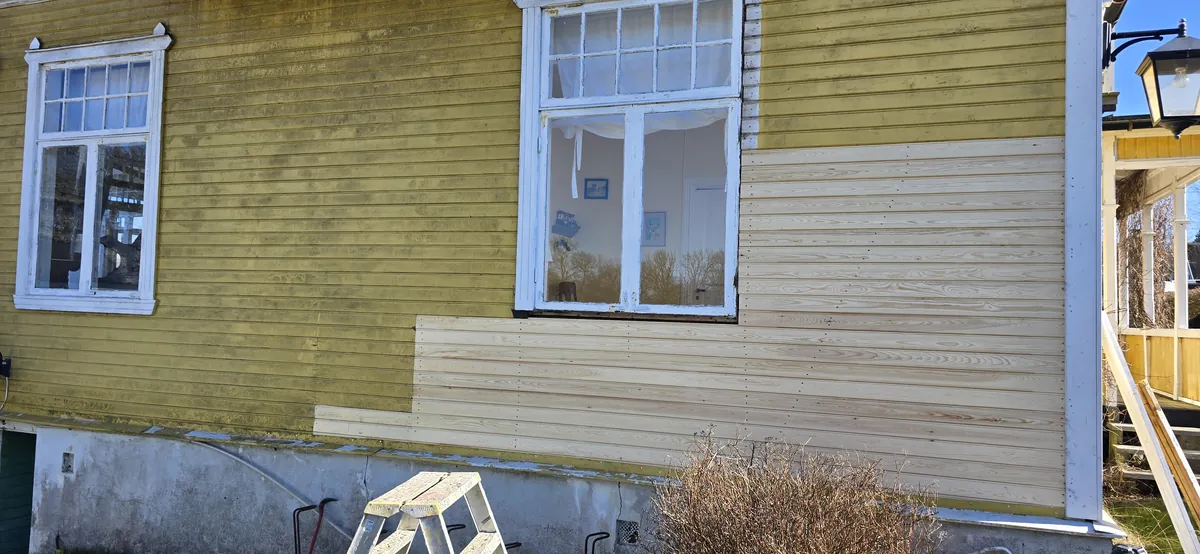
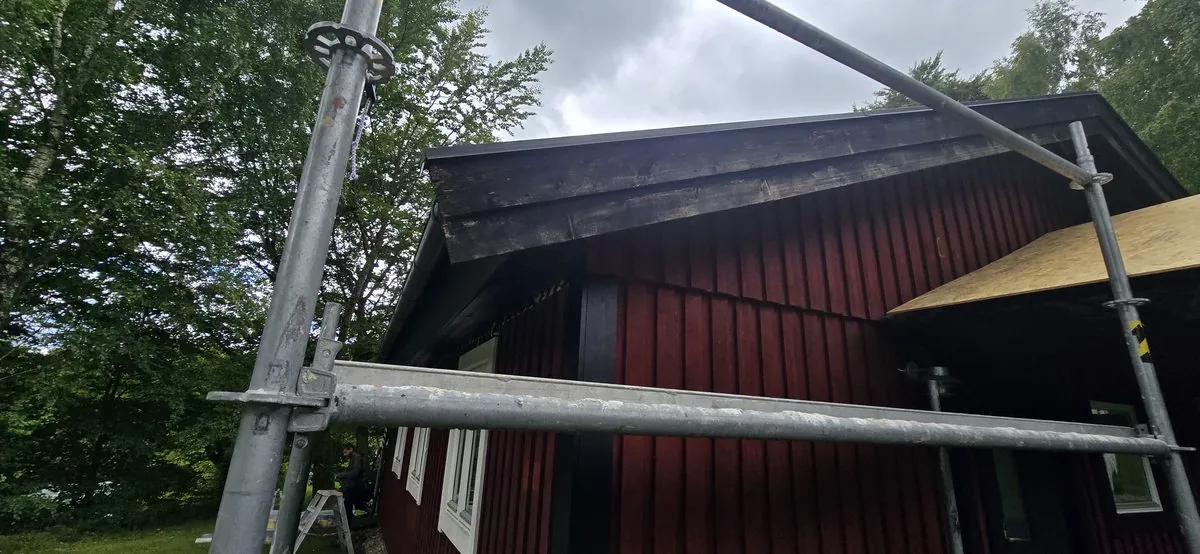
Project photo from Arild. Timber cladding, windows and junctions are included in the surface assessment.
Quick answer
- Check the surface and identify the paint already on it.
- Choose priming products compatible with the paint system.
- Follow the product requirements for moisture, weather and recoating time.
What is the purpose of priming exterior walls?
Primer prepares the surface for the next coat within the chosen paint system. How to prime depends on the surface and products. Priming oil and primer are not interchangeable names for the same treatment.
Priming oil and primer have different functions and should only be combined when the paint system specifies it. TräGuiden's recommendations for exterior painting show that paint systems differ in their sequence of treatments. Check the complete process before choosing an individual priming product.
When does timber cladding need priming?
Check whether priming is needed when timber is bare, previous paint has been removed or you are changing paint systems. Sound old paint and exposed timber may need different treatment on the same wall. Factory-treated cladding needs assessing according to the treatment it has already received.
- Identify the previous paint and check which areas remain firmly bonded.
- Remove loose and damaged surface layers according to the chosen system's instructions.
- Check the timber's condition and moisture before the next treatment.
- Follow the product instructions for priming exposed areas or the whole surface.
Beckers describes the use of Primex Trägrund Plus for timber cladding. The product instructions are an example, not confirmation of which system should be used on your house.
When planning exterior wall painting , both the surface and its previous treatment need to be assessed.
Which primer suits timber, render and brick?
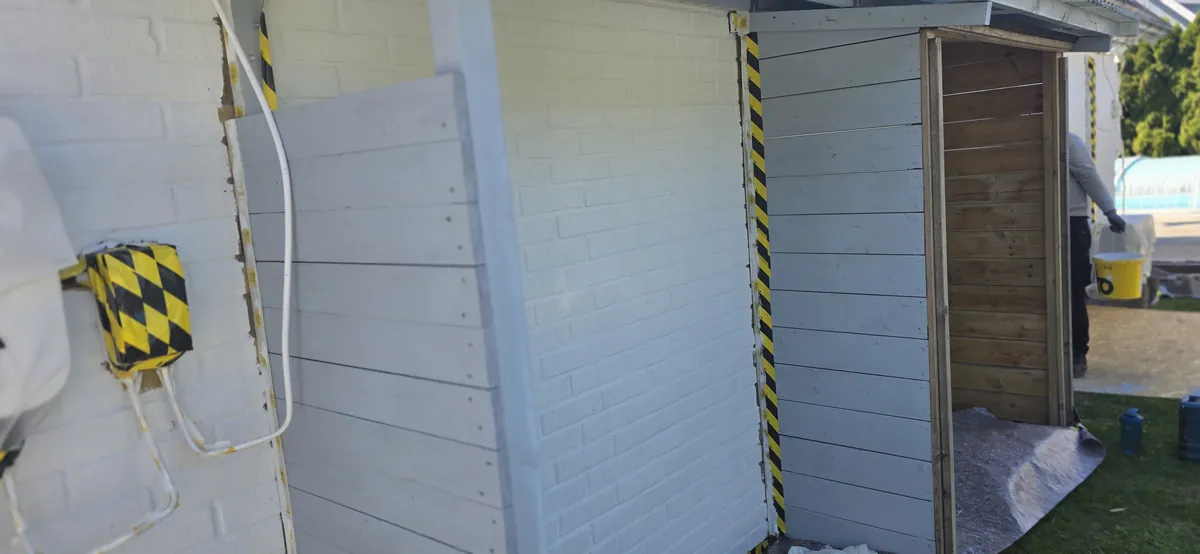
Choose a priming product to suit both the exterior material and the paint system to be applied over it. A timber primer is not a universal choice for render or brick. Previous treatment, adhesion and moisture need checking before selecting a system.
| Exterior walls | Checks before choosing a product |
|---|---|
| Timber | Bare or previously painted timber, previous paint type, condition and moisture. |
| Render | Render condition, absorbency, previous treatment and system requirements. |
| Brick | Condition of the bricks and mortar joints, previous surface treatment and whether the paint system is suitable for the surface. |
For timber, there is an important distinction between film-forming paints and traditional Swedish distemper paint. Falu Rödfärg's instructions for Original describe a specific system for suitable timber surfaces. Do not add a different primer without checking compatibility.
Compare linseed oil paint, acrylic paint and Swedish distemper paint on timber cladding before choosing a treatment sequence.
How many primer and finish coats do exterior walls need?
The number of coats depends on the paint system and the surface's previous treatment. A general rule requiring at least three or four coats does not suit every exterior. Read the full treatment instructions, including any requirements for priming oil and factory-applied coatings.
For example, Falu Rödfärg Original includes instructions for a first diluted coat on suitable new timber. This is not the same as a separate alkyd primer. Follow the manufacturer's treatment sequence for that particular system.
The time before the next coat is also product-specific. Beckers Primex Trägrund Plus is listed as recoatable after eight hours at +23 °C and 50 per cent relative humidity. This is not a promise of the same timing in different weather.
Can you skip priming when repainting?
With some systems, sound, previously painted surfaces can be repainted without a new full coat of primer. Exposed areas and damage need separate assessment. Follow the system instructions; do not assume the same treatment applies to the entire exterior.
Cleaning and checking the surface come before deciding on priming. Read about preparation and exterior wall cleaning before painting as part of the painting work. NLL does not offer exterior wall cleaning as a standalone service.
To have the scope of work assessed, you can send an enquiry about exterior wall painting. Please include photos and details of the previous paint if available.
Frequently asked questions
Do previously painted exterior walls need priming?
Not always across the whole surface. Sound paint and exposed areas may need different treatment. Check the previous paint system and follow its repainting instructions.
When can you paint over primer, and how long must it dry?
Follow the primer's product data sheet. For example, Primex Trägrund Plus is listed as recoatable after eight hours at +23 °C and 50 per cent relative humidity. Other products and conditions may give different times.
Which primer is suitable for bare exterior timber?
Choose the priming treatment that belongs to your paint system and suits the surface. Swedish distemper paint and film-forming paints may require different treatment sequences; do not choose a primer solely because the surface is timber.
Is priming included when NLL Måleri repaints exterior walls?
The need for priming and its scope should be stated in the exterior painting quote. The surface and paint system determine the steps needed.
What happens if you do not prime?
If the system requires primer, leaving it out may affect the performance of the next coat. Assess the surface and follow the full treatment sequence, rather than a general rule for every exterior.
Can you paint outdoors without primer?
Yes, with some systems and suitable surfaces. The need depends on previous treatment and the chosen paint system. Follow the instructions for that particular surface.
What weather is needed for exterior priming?
Check the product requirements for temperature, moisture and drying, as well as the surface condition. Plan for the weather after application, while the paint dries, too.
Updated