NLL Guides · GUIDE
Skim coating: how to achieve a smooth wall before painting
 Dorde Lalic founder and ownerLinkedIn
Updated
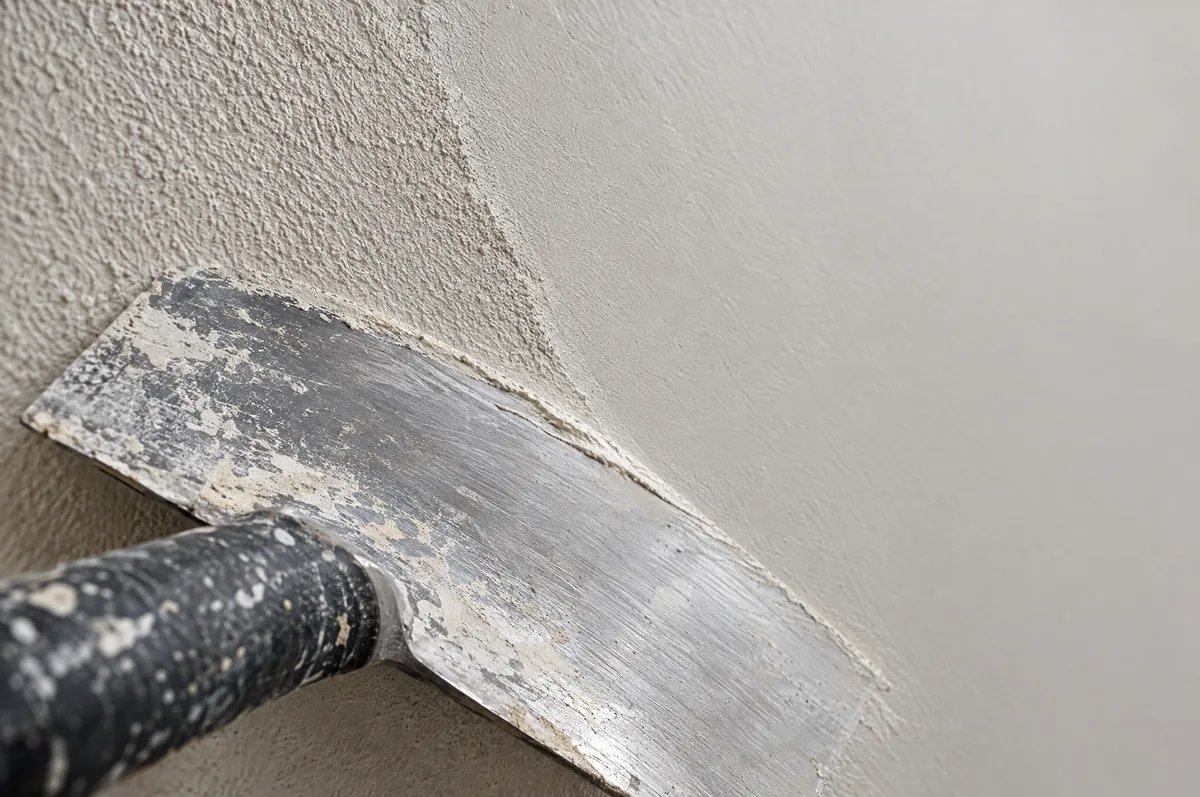
Side lighting reveals uneven areas when inspecting the wall.
Skim coating means applying filler across a continuous wall surface to level it before painting. Spot filling is used for individual holes and damaged areas. The treatment needed depends on the wall's condition, the desired finish and the chosen product system.
What is skim coating, and when is it needed?
Skim coating means applying filler across a continuous wall surface to level it before painting. The treatment may be suitable when unevenness or texture affects a large part of the wall. Individual holes in an otherwise even surface do not automatically mean the whole wall needs skim coating.
| Starting condition | Question to assess before work begins |
|---|---|
| Individual holes or minor damage | Can spot repairs achieve the required surface? |
| Unevenness across the wall | Does a continuous area need skim coating? |
| Old wallpaper seams or texture | Is the underlying surface firmly bonded enough for further treatment? |
| Cracks or peeling layers | Do the cause and underlying surface need attention first? |
Assess the wall in the lighting in which it will be used. Seeing a flaw in side lighting helps with inspection; it is not a universal requirement for a particular treatment.
How do you skim coat a wall step by step?
The work includes checking the surface, preparation, application, drying, sanding and treatment before painting. The product instructions determine the coat thickness, whether further applications are needed and when the next step can begin.
- Inspect the surface and remove loose material.
- Protect floors and furnishings, and clean the surface according to the product instructions.
- Repair individual damaged areas with a product intended for that purpose.
- Apply filler using the recommended thickness and method.
- Let the coat dry, sand it and check whether further treatment is needed.
- Remove sanding dust and prepare the surface for the chosen paint system.
No fixed number of coats or days applies to every wall. For example, Beckers states for Spackel Fin that drying is affected by temperature, humidity and coat thickness. This product information is not a general schedule for NLL's work.
Which filler should you choose for skim coating walls?
Choose filler according to the surface, intended use and required coat thickness. Read the product data sheet before deciding whether the same product is suitable for both deep repairs and thin levelling coats.
For joints and screw holes in installed plasterboard, see the guide to filling plasterboard walls.
A product intended for thin coats should not be treated as a general solution for deep damage. Joints in sheet materials and particular room conditions may also require other products or specifications. This guide covers ordinary interior wall surfaces; it is not a wet-room specification.
What should you check on a wallpapered wall?
Check the wallpaper type, seams and adhesion before filling or painting over it. If large areas are coming loose, the underlying surface needs attention first. Beckers describes adhesion checks and treatments for different wallpaper types in its advice on painting over wallpaper.
If you want to keep the wallpaper as a base for painting, read about preparation in the guide to painting over wallpaper.
It is therefore not accurate to say that all paper wallpaper must always be stripped or that all wall fabric can always remain. Ask for an assessment when multiple old layers make the surface uncertain. NLL's service in this context is preparation and painting, not wallpaper hanging.
How thoroughly should you sand a skim-coated wall for an even finish?
Sand when the filler is sufficiently dry according to the product instructions, and check transitions, edges and uneven areas before painting. Choose the abrasive to suit the product and surface instead of using the same grit for everything.
Protect the surroundings and manage the dust. Primer does not replace cleaning a dusty surface. Then check which primer or pretreatment the paint system requires. A coat of paint should not be used to hide preparation that needs correcting.
Painting a skim-coated wall: prime first or paint directly?
Follow the paint system's instructions for filled surfaces after sanding and dust removal. Check whether a separate primer is needed and when the surface can be painted. Filler looking dry is not sufficient on its own to decide the next step.
Is it worth hiring a painter for filling and smoothing?
Compare your available time and experience with the wall's condition and the finish you want. A large area or several uncertain surfaces may justify an assessment before you decide to do the work yourself.
NLL offers filling and smoothing and filling and smoothing combined with painting. Labour for standalone filling and smoothing costs 250–375 SEK/m² including VAT, before any ROT deduction; materials are quoted separately. See the filling and smoothing price guide and the budget for filling and painting a room to distinguish a single task from a combined package. Do not count the same filling work twice.