
We count visits to see which pages are helpful – nothing is sold on. Privacy policy

NLL Guides · EXTERIOR WALLS

Painting brick exterior walls: pros, cons and how permanent the decision is

Dorde Lalic, founder and owner of NLL MåleriDorde Lalic founder and ownerNLL Måleri · · 5 min readLinkedIn
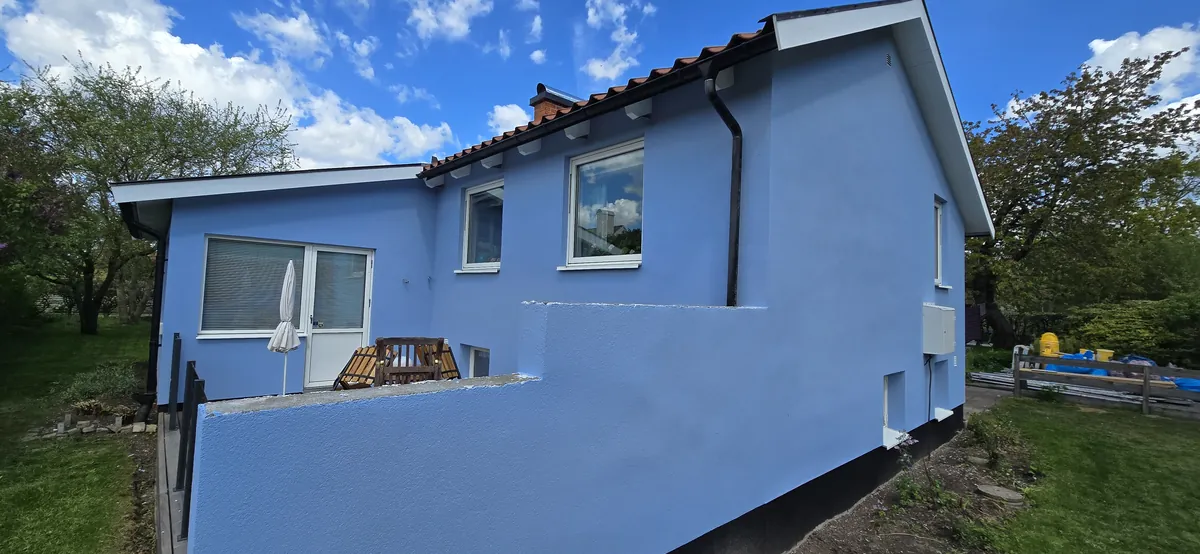
Light-painted brick wall with masked windows during work in Åkarp.

Project photo from Åkarp with protected windows and a brick wall being treated.

Quick answer

A brick façade can sometimes be painted with a suitable system, but assess the brick, mortar, moisture and existing finish first. Painting changes its appearance and adds a coating-maintenance requirement; removing it later may be difficult or damaging.

  • Assess before coating – assess brickwork and joints for defects; unpainted masonry still needs inspection and maintenance.
  • Removal may be difficult – removal depends on the brick and coating, and can damage the surface. Do not assume the original appearance can be restored.
  • Moisture and frost risk – an impermeable layer reduces breathability and can cause frost damage.
  • Recurring costs – a coating adds maintenance needs; unpainted brickwork also needs inspection of bricks, mortar and water-shedding details.
  • Use the right system – use a complete system documented as suitable for the actual brickwork and existing coating.

Can you paint a brick façade?

Yes, if the wall and a specified coating system are suitable; arrange an assessment before deciding, including moisture conditions, mortar, the existing finish and future maintenance.

Assess both the desired appearance and the wall’s technical suitability. The brick, mortar, moisture, previous treatments and coating specification all matter. Painting introduces a finish that needs maintenance; unpainted masonry is not maintenance-free. Investigate staining, joint defects or damp before assuming paint is the right remedy. Suitable if you want clear written advice before work begins: request a free quote and we will give you an honest assessment.
Unpainted brick versus a painted brick façadeComparison: unpainted brickwork needs inspection and appropriate masonry maintenance; painted brick also needs coating maintenance. Paint removal may be difficult or damaging, and the original appearance is not guaranteed to return.UNPAINTED BRICK VERSUS A PAINTED BRICK FAÇADEAssess the masonry’s conditionNo fixed lifespanMaintenance – unpainted brickInspect and maintain masonryMaintenance – painted façadeRegular repaintingReversible after paintingRemoval outcome uncertain
Compare the wall’s condition, desired finish and future maintenance before deciding to paint.
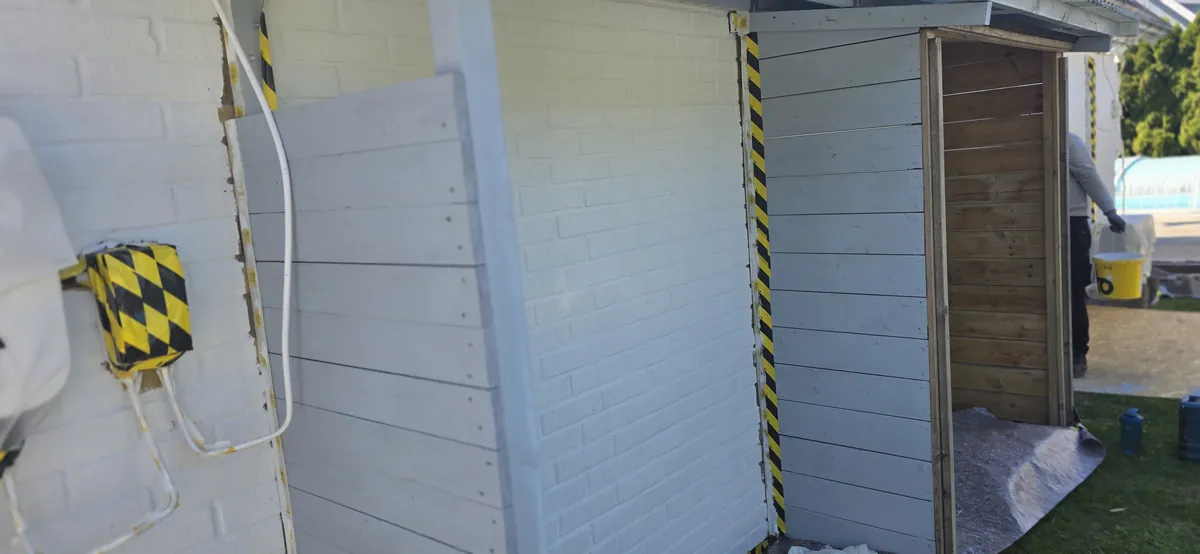
Light-painted brick wall with masked windows during work in Åkarp.
Project photo from Åkarp with protected windows and a brick wall being treated.

What are the advantages of painting a brick façade?

Appearance is the real benefit: a coating can change colour and create a more uniform appearance. The preparation, product suitability and programme must be assessed for the actual wall.

A uniform colour may suit the owner’s design aims, but paint does not correct unsound mortar, damp or defective brickwork. Compare assessed options and costs; this guide does not establish that painting is always faster or cheaper than other work. Choose painting if the wall is suitable for the specified system and you accept the resulting maintenance requirements. Compare those conditions before proceeding.

What are the advantages of painting a brick façade
AspectUnpainted brickPainted brick façade
AppearanceTraditional, fixed colourModern, choice of colour
Working timeNoneScope and programme require assessment
MaintenanceInspect and maintain masonryRegular repainting
ReversibleYes, no work carried outRemoval outcome uncertain
Programme and maintenance depend on the wallPlanning comparison: the painting programme depends on preparation, access, drying conditions and the specified coating. Masonry and its coating have separate maintenance needs; no fixed lifespan is established here.PROGRAMME AND MAINTENANCEProject-specificRepaint an average detached houseNo fixed lifespanUnpainted brick withstands rain
Weigh the desired appearance against the assessed work and future maintenance.

What are the disadvantages and risks?

Painting adds coating maintenance to the existing masonry-maintenance needs, and an unsuitable system may interfere with the wall’s moisture behaviour. Adhesion depends on the condition and preparation; it does not inevitably worsen with every coat.

Two issues dominate: building physics and cost.

  • Trapped moisture. Brick and mortar normally release moisture; an impermeable or unsuitable coating traps it beneath the surface.
  • Frost damage. When trapped moisture freezes, the ice expands and breaks the brick surface apart from within, damaging the brick itself as well as the paint.
  • Recurring maintenance. Inspect the coating and masonry, and plan maintenance according to condition and the selected system.
  • Poorer adhesion. Unsound or incompatible previous paint can affect adhesion. Confirm preparation and removal options through assessment and appropriate test areas.

If paint fails, investigate its cause before choosing preparation or removal. Abrasive blasting is not the universal next step and can damage brickwork. Specify a suitable method and coating for the actual surface.

The surface compatibility rule

Use a complete system documented as compatible with the brickwork and any retained coating. Identify existing finishes and compare the selected system’s substrate, permeability and preparation requirements. The same broad paint type does not guarantee compatibility, and no entire binder category is automatically unsuitable.

The risk chain when brick is painted incorrectlyIssues to assess before painting brick: moisture behaviour, freeze–thaw susceptibility, coating-maintenance requirements and adhesion. These are possible issues, not an inevitable sequence for every painted wall.THE RISK CHAIN WHEN BRICK IS PAINTED INCORRECTLY1Step 1Trapped moisture2Step 2Frost damage3Step 3Recurring maintenance4Step 4Poorer adhesion
Assess the complete wall and proposed coating; the risks are not determined by a single paint label.
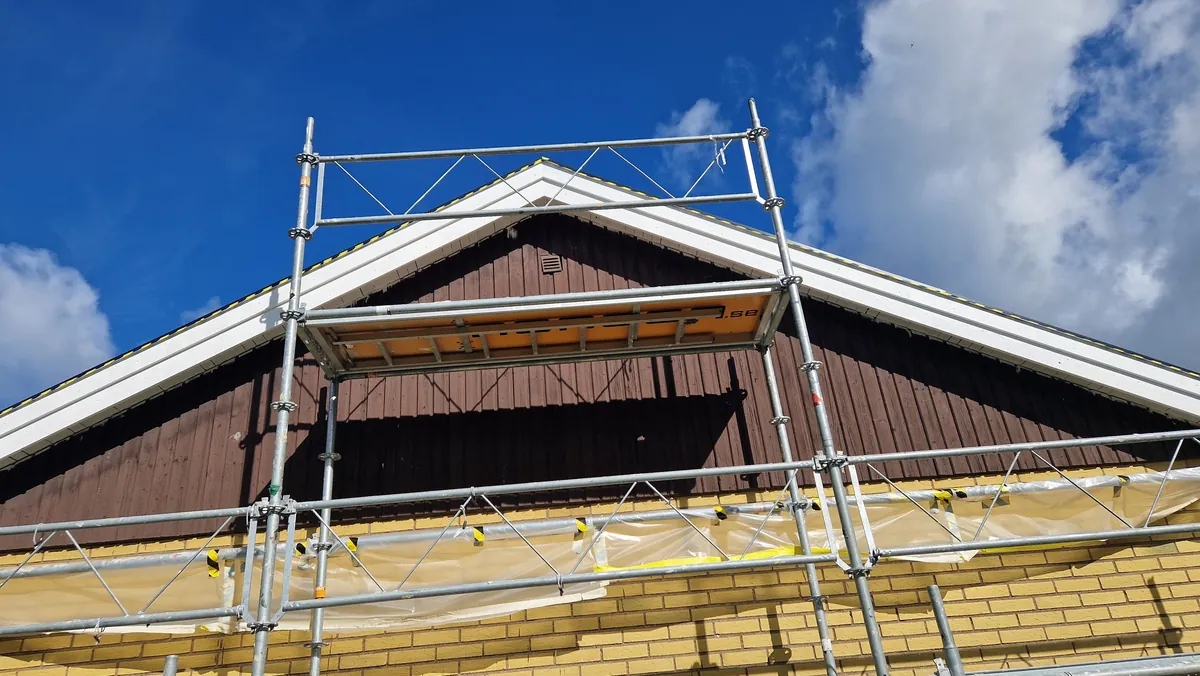
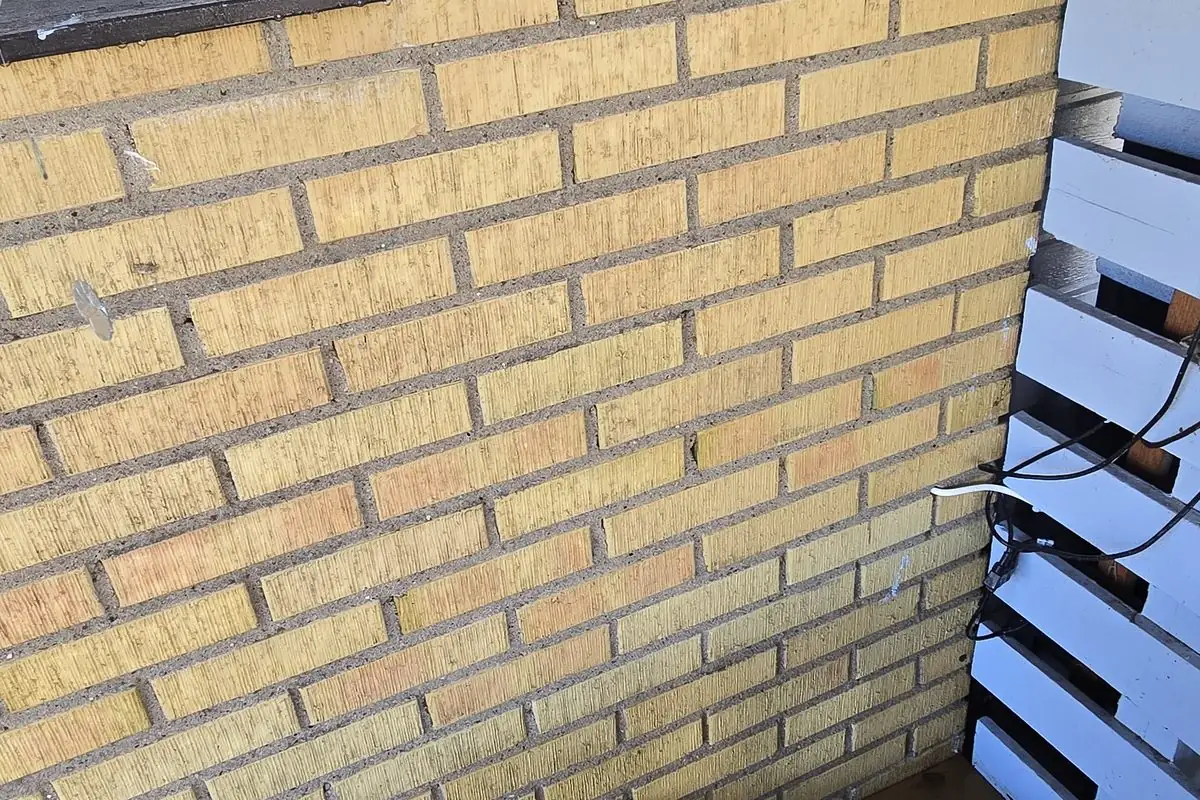
Close-up of a yellow brick façade with joints and protected surfaces in Åkarp.
Project photo from NLL Måleri's existing image archive.

Why is painting brick an almost irreversible decision?

Removing paint from brick can be difficult and may damage the surface, but the appropriate removal options depend on the brick and coating. A test area and specialist advice help establish what result is achievable.

Consider reversibility before painting. Brick types and coatings vary, and removal can alter texture, colour or surface condition. No single method is suitable for every wall. Obtain specialist advice and an appropriate test area rather than assuming abrasive blasting is necessary or that original brickwork can be restored. Best when you understand the future maintenance and uncertain reversibility, and the wall is suitable for the proposed coating.

Timber cladding versus brick: can you reverse the decision?Removal methods differ for timber and masonry. Both require a suitable method for the substrate and coating. On brick, removal can cause damage and may not restore the original appearance; blasting is not the only possible approach.TIMBER CLADDING VERSUS BRICK: CAN YOU REVERSE THE DECISION?Timber cladding – undoing the paintworkscrape, sand and start againBrick – undoing the paintworkRemoval may alter the surfaceRemoval methodSpecialist assessment and test areaSurface after blastingDamage is possible
Discuss likely removal outcomes before making a permanent-looking change.

What are the alternatives to painting brick?

The best alternatives are cleaning, masonry repairs or leaving sound brickwork uncoated. Choose the intervention from the actual defect and surface; do not assume a timber slurry paint or any render system is appropriate for brick.

Identify whether the concern is dirt, biological growth, failed mortar, moisture or appearance. Use cleaning and repair methods suitable for the actual brick and mortar. If a colour change is proposed, have a complete masonry system assessed rather than applying a generic timber coating. For a project enquiry, see façade renovation in the area, and see the cost overview under what façade renovation costs.

Alternatives before painting – in the right orderAlternatives to assess: suitable cleaning for soiling, compatible repairs for defective joints, a documented masonry treatment if a colour change is required, or retaining sound unpainted brick. These are assessed options, not a universal order of work.ALTERNATIVES BEFORE PAINTING – IN THE RIGHT ORDER1Dirt and algaefaçade washing2Cracked or weathered jointsrepointing3If you still want a different colourAssess a suitable masonry system4Sound brickno intervention at all
Ask what the actual problem is first; often the choice becomes clear without paint.

Frequently asked questions

How often does a painted brick façade need repainting?
Maintenance depends on the coating, masonry condition and exposure. Inspect both painted and unpainted brickwork. If paint fails, assess the cause and appropriate preparation; abrasive blasting is not automatically required.
What paint should you use on brick?
Use a complete exterior-masonry system explicitly suitable for the actual brick, mortar and previous finish. Check documented permeability, moisture conditions and preparation; a manufacturer name or binder category alone does not establish suitability.
Can paint be removed from a painted brick façade?
Paint removal may be difficult, incomplete or damaging. Options depend on the brick and coating; obtain specialist advice and a suitable test area before proceeding. This guide does not prescribe abrasive blasting as the only method.
What does painting a brick façade cost?
The price depends on area, condition, access and the specified preparation and coating. Any ROT is up to 30% of qualifying labour, subject to personal, property, work, tax and allowance conditions. Materials and other non-qualifying costs are separate.
ROT deduction for brick façade painting in 2026

ROT may reduce qualifying labour by up to 30% in 2026 within the 50,000 SEK personal ROT cap, provided all eligibility, payment, tax-capacity and allowance conditions are met.

Deduction on labour costs30 %
Maximum amount50,000 SEK per person per year
Applicable year2026

Updated

Request a fixed price

Estimate your project cost

Estimate your project cost

Select the service, scope and customer type. The calculator loads here.

Request a quote