
We count visits to see which pages are helpful – nothing is sold on. Privacy policy

NLL Guides · GUIDE

Repainting exterior windows: a guide for weather-exposed windows

Dorde Lalic, founder and owner of NLL MåleriDorde Lalic founder and ownerNLL Måleri · · 8 min readLinkedIn
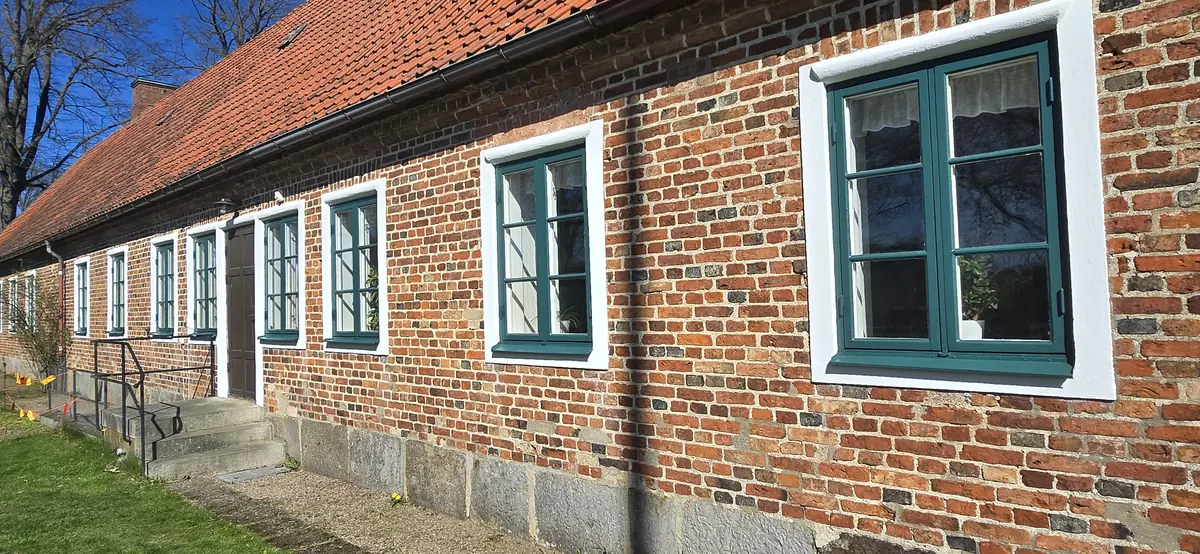
Green timber windows with white surrounds in a brick wall at Kvidinge church.

Project photo from Kvidinge church showing painted window sashes and white surrounds.

Repaint exterior timber windows when their condition and coating system require it, after checking the timber, putty, joints and existing coating. Use compatible repairs and a specified window-paint system. Any ROT deduction depends on the customer, property and work qualifying.

Quick answer

Assess the timber, putty, joints and coating before deciding whether windows need touch-ups, repainting or repairs. Choose the preparation and paint system from the actual condition and product instructions.

  • Inspect condition – set inspection and maintenance timing from the actual coating and exposure; this guide does not establish a universal number of years.
  • Check the bottom sash edge first – flaking paint, grey timber fibres and black water stains there are the clearest warning signs.
  • Preparation determines the result – complete the preparation required for the actual coating and condition; no fixed share of working time guarantees durability.
  • Compatible window-paint system – choose a product explicitly suitable for the window and existing coating, rather than assuming an oil-based system is always best.
  • 30% ROT deduction – any ROT deduction applies only to eligible labour when the current conditions are met; paint and materials are excluded.

How often do exterior windows need repainting?

The maintenance interval depends on the specific coating, detailing, condition and exposure. Flaking, cracked putty, exposed timber or moisture staining call for assessment. The related service is window painting in Ängelholm.

Three factors determine when your windows need repainting: orientation, timber condition and the existing paint type. A south-facing window in Kvidinge may face different exposure from other windows on the same building. Compare the actual elevations and condition rather than applying a fixed regional repainting interval.

Inspect vulnerable joints and lower sash edges for coating failure, damaged putty or soft timber. Damaged wood may require repairs or restoration before painting; repainting alone does not restore rotten timber.

How often exterior windows need repainting
Location / conditionApproximate repainting interval
Sheltered north-facing window, sound timberFollow the coating’s maintenance guidance
South- and west-facing windows, driving rainAssess exposed details
Coastal location, salt airAssess local exposure
Early cracks along the bottom edgetouch up promptly

Inspect the windows according to the coating system’s maintenance guidance and their actual condition. Record failed joints, putty or coating and ask whether local repairs or more extensive work are needed. For service scope and written terms, see window and door painting.
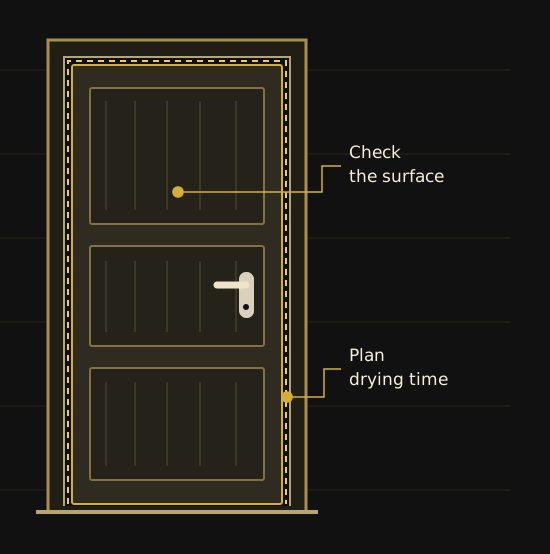
Repainting intervals by location and conditionAssess maintenance from the actual condition: inspect sheltered and exposed windows, check coastal exposure where relevant, and investigate cracks or failed joints. No fixed repainting interval applies to every window.REPAINTING INTERVALS BY LOCATION AND CONDITIONInspect conditionTypical interval, timber windowstowards the upper endSheltered north-facing window, sound timbertowards the lower end South- and west-facing windowsAssess local exposure Coastal location, salt airtouch up promptlyCracks in the bottom sash edge
The coating system, detailing, exposure and actual condition determine the maintenance plan.
Green timber windows with white surrounds in a brick wall at Kvidinge church.
Project photo from Kvidinge church showing painted window sashes and white surrounds.

How do you prepare window sashes for repainting?

Preparation is determined by the existing coating and window condition: use compatible cleaning, remove unsound material, repair as required and follow the selected primer and topcoat instructions. No fixed percentage describes every job.

Adhesion depends on a suitable, sound and correctly prepared surface. The checklist below is a planning aid; follow the selected system for the actual window.

How to prepare window sashes for repainting
StepTaskWhy it is needed
1Cleaning with pre-paint cleanerRemoves grease, algae and salt deposits
2ScrapingRemoves all loose paint
3Sanding to a sound surfaceCreates adhesion and a smooth finish
4Repairing putty and cracksSeals against water ingress
5Removing dust and primingSeals the timber before topcoat

Start by cleaning the whole sash because paint will not adhere to dirt or mould spores. Then scrape off any paint that comes away; sound paint can remain. Sand transitions smooth so sharp edges do not show through the topcoat, paying particular attention to the lower putty rebate where water can collect.

Have failed putty and joints repaired with a compatible method. Treat exposed timber according to the selected system; an oil-based primer on the same day is not a universal rule. Any ROT eligibility depends on the actual work and customer; see what ROT covers for painting in 2026.

Window preparation checklistPreparation checklist: clean as directed, remove unsound coating, prepare the surface, assess putty and joints, and prime where specified. The actual sequence and scope depend on the window and chosen system.WINDOW PREPARATION CHECKLIST1Step 1Cleaning with pre-paint cleaner2Step 2Scraping3Step 3Sanding to a sound surface4Step 4Repairing putty and cracks5Step 5Removing dust and priming
Preparation depends on actual condition and product instructions; neither a fixed percentage nor a lifespan is promised.

Which paint is best for exterior windows?

Use a window-paint system compatible with the actual surface and existing coating, with preparation, primer and topcoat specified together. Neither oil-based nor acrylic paint is best for every exterior window.

Exterior joinery products must be suitable for the substrate and exposure. Identify the existing coating and check documented compatibility before selecting preparation and a new system.

Choose from products intended for the actual window and its existing coating. Exposure and orientation matter, but they do not by themselves prescribe oil-based or acrylic paint. For the comparison, see acrylic versus oil-based paint for woodwork, setting out each system's strengths and limitations. Start with that guide if you are unsure which paint type to choose.

Colour affects lifespan more than many people expect. Dark sashes absorb heat, move more in sunlight and become hotter than light ones, causing faster wear on south-facing windows. A lighter shade in the same colour family can therefore extend the interval on the most exposed façade.

We match the system to the sash's timber species and existing coating, and explain the product and reason for choosing it before work starts. For the complete service, see window and door painting, step by step.

The surface compatibility rule

Confirm compatibility with the existing coating and substrate. Reusing the same broad paint type alone does not guarantee adhesion. Follow the selected system’s requirements for cleaning, abrasion, primer and permitted existing coatings. An approved system change may be possible; do not assume acrylic over oil paint always fails or that bare timber permits any product.

Oil-based or acrylic paint for exterior windowsChoose exterior joinery paint using the substrate, existing coating, exposure and documented product compatibility. The broad binder category alone does not establish suitability or lifespan.OIL-BASED OR ACRYLIC PAINT FOR EXTERIOR WINDOWSAssess the window’sheavily weather-exposed south-facing façadeCheck the existingsurface and coatingProduct selectionConfirm the specified systemDark sashesabsorb heat
Use a complete compatible system specified for the actual window.
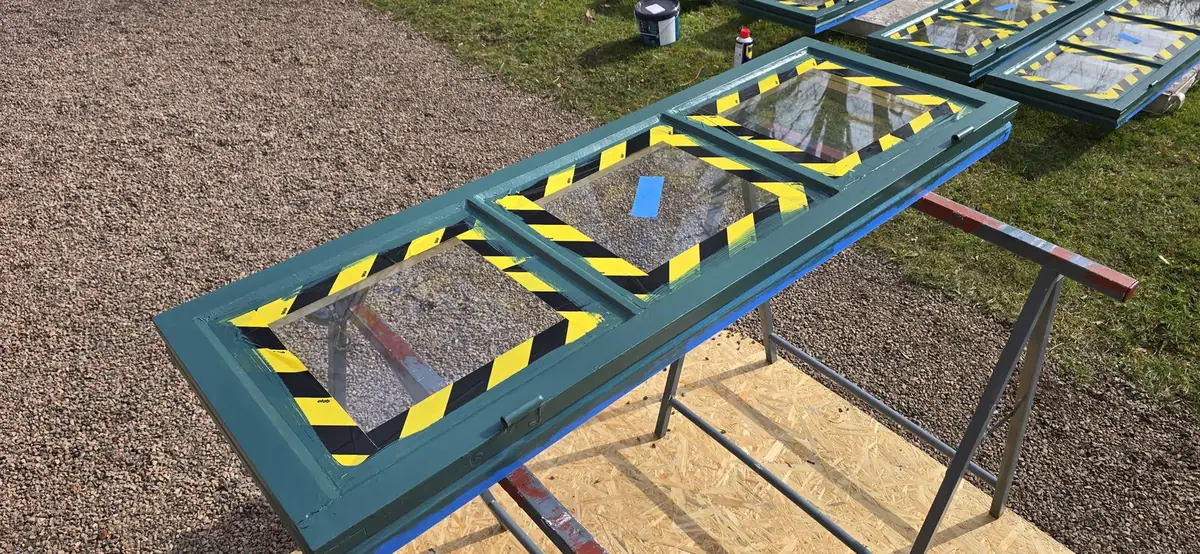
Green window sashes with masked panes on trestles at Kvidinge church.
Project photo from Kvidinge church: masked window sashes on trestles.

How do you paint window sashes without affecting the glass?

Mask the edges with painter's tape, protect fittings and follow the putty and paint system’s instructions for the joint at the glass. Any required paint overlap onto the glass is system-specific.

A clean painting result depends almost entirely on masking. Careless protection leaves paint on glass and fittings, so proper covering is part of professional work. The list below shows how a painter protects sensitive surfaces.

How to paint window sashes without affecting the glass
Surface areaProtection method
Glass panePainter's tape along the rebate plus masking paper
Hinges and catchesRemove or tape carefully
Handle and espagnoletteUnscrew or mask completely
Metal window flashingTape and paper against splashes

Protect glass and fittings without obstructing the specified paint-to-putty joint. Follow the putty and coating instructions for any overlap onto the glass; do not impose one measurement on every window system.

Remove detachable espagnolette fittings and handles where possible because paint around moving parts looks untidy and can seize the mechanism. Remove tape while the paint is still partly dry; once fully dry, it may pull flakes from the pane edge. This detail work takes time and is one reason many people hire a painter.

How glass and fittings are protected during paintingProtect the glass and fittings, preserve the specified putty-to-glass detail and remove masking according to the coating and tape instructions. The required detail depends on the actual system.HOW GLASS AND FITTINGS ARE PROTECTED DURING PAINTING11. Mask the glass panePainter's tape along the rebate plus masking paper22. Handle and espagnoletteUnscrew or mask completely33. Seal the joint at the paneFollow the system detail44. Remove tape when paint ispartly dry
Follow the putty and paint system’s joint detail and masking instructions.

Does the ROT tax deduction apply to exterior window repainting?

Exterior window painting may qualify for ROT when the work and customer meet the current conditions, while rot, work at height and historic windows require appropriate assessment and expertise. Ask for the agreed scope, price and any conditional deduction to be shown in the quote.

A practical homeowner can handle a few ground-floor windows during a dry summer week. However, several situations strongly favour a professional painter for both the result and safety:

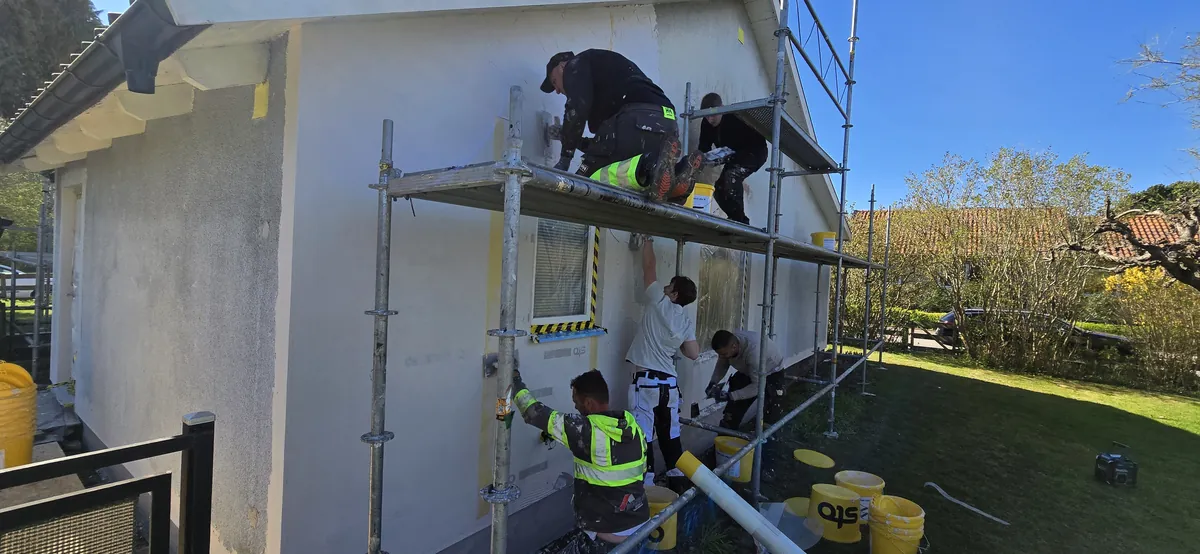
  • Work at height. Upper-floor windows require scaffolding or a mobile lift; a ladder is rarely sufficient for safe, thorough preparation.
  • Rot in the sash. Soft timber needs restoration or replacement by someone who can distinguish surface greying from deeper damage.
  • Historic windows. Original putty and linseed oil paint require traditional methods without shortcuts.

If you want help with access and preparation, ask the contractor to specify the work, repair documentation and any warranty terms in writing.

Does ROT apply to repainting exterior windows
SituationDo it yourselfHire a painter
Ground floor, sound timberPossibleOptional
Upper floor, at heightNot advisedRecommended
Rot in the sashNoYes
Linseed-oil-painted windows, historic buildingNot advisedYes

NLL Måleri AB in Kvidinge assesses the window work before agreeing its scope and price. Ask for scheduling and any warranty terms in writing. See the price information for window and door painting costs.

ROT deduction for exterior window painting in 2026

ROT eligibility for exterior window work depends on the customer, property and work meeting the current conditions and sufficient allowance remaining. Materials are excluded. Ask for any deduction, scheduling and warranty terms to be specified in writing.

ROT tax deduction on labour costsIf eligible
Remaining allowanceCheck allowance
EligibilityCheck work eligibility
Quote responseBy agreement
For larger contractsterms agreed in writing

Frequently asked questions

How often do exterior windows need repainting?
Assess the actual paint, putty, joints and timber. Inspection timing and repainting depend on condition, coating system and exposure; there is no single reliable interval for every exterior timber window.
Do windows need scraping and sanding before painting?
Remove unsound paint and prepare the remaining surface as instructed for the selected system. Check putty, joints and timber repairs before coating; no fixed percentage of preparation time or guaranteed lifespan applies.
Which paint is best for exterior windows?
Choose a complete exterior-window system compatible with the actual substrate and existing coating. Neither oil-based nor acrylic products are universally best; compare their permitted uses and preparation requirements.
Does the ROT tax deduction apply to exterior window repainting?
Exterior window painting may qualify for ROT if the customer, property and work meet the current conditions and sufficient allowance remains. Paint and materials are excluded. Check current Skatteverket guidance for the specific work rather than applying a blanket property-age rule.

Updated

Request a fixed price

Estimate your project cost

Estimate your project cost

Select the service, scope and customer type. The calculator loads here.

Request a quote