
We count visits to see which pages are helpful – nothing is sold on. Privacy policy

NLL Guides · EXTERIOR WALLS

When should you paint exterior walls in Skåne? Seasons and weather

Dorde Lalic, founder and owner of NLL MåleriDorde Lalic founder and ownerNLL Måleri · · 6 min readLinkedIn
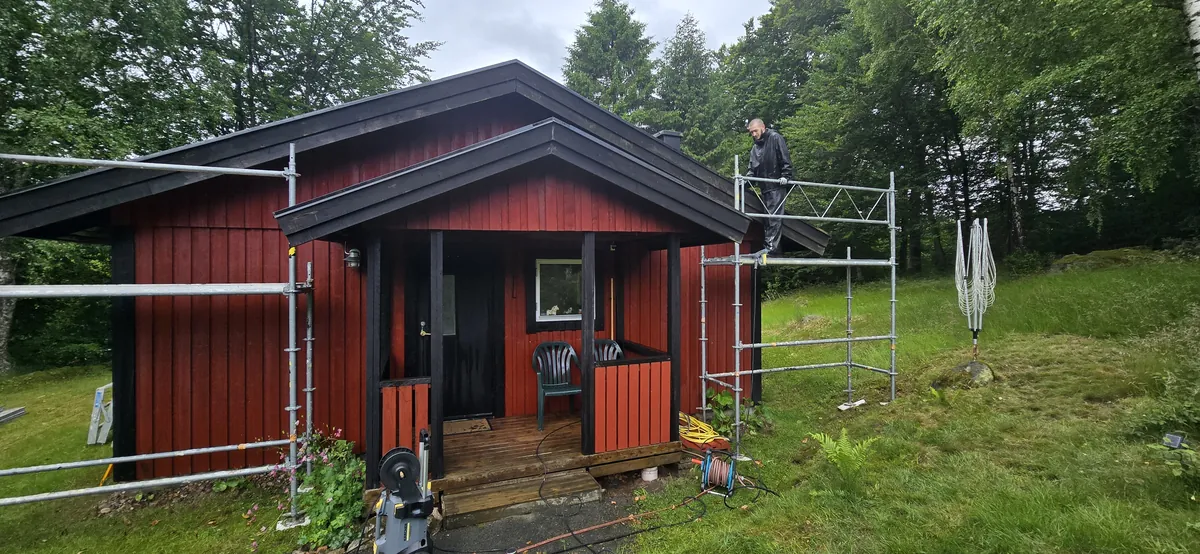
Red timber house with white-painted details and scaffolding in Lycke.

Project photo from Lycke during façade work.

Paint the façade when the actual surface and weather meet the selected system’s requirements, during application and the necessary drying period. A month, air temperature or dry-looking surface alone does not establish readiness.

Quick answer
  • Check actual conditions – use the calendar for planning, then check actual product requirements and site conditions.
  • Product-specific range – follow the product’s stated air and surface temperature range rather than one universal threshold.
  • Dry surface – check readiness against the actual substrate and product requirements; no fixed number of days after rain applies to every façade.
  • Follow the shade – check the surface temperature, sun exposure and risk of dew under the selected product’s instructions.
  • Skåne’s coastal climate – local exposure can affect the work; use the forecast and actual surface conditions together.

When is the best time to paint a façade?

A suitable painting window is defined by the product, substrate and actual conditions, including the period needed after application. Neither spring, summer nor autumn guarantees that those conditions are met.

Check air and surface temperatures, substrate moisture, humidity, rain and dew risk according to the selected system. The time of year helps planning but does not replace these checks.

Morning moisture, sun-heated surfaces and falling evening temperatures can all affect timing. Assess the actual conditions instead of assigning one reliable daily schedule to the entire season.

When is the best time to paint a façade
PeriodSuitabilityThings to consider
April–MayCheck conditionsVerify substrate readiness and product limits
June–AugustCheck conditionsAvoid painting in scorching midday sun
SeptemberCheck conditionsFinish well before evening damp
October–MarchAssess product and conditionsCheck actual temperature and moisture limits

Plan inspection, preparation and painting around the scope and suitable conditions. Discuss availability and weather delays when requesting a quote; no month guarantees a clear working window.
Skåne’s painting season month by monthSeasonal planning checklist: review product requirements and forecasts in every season, then confirm actual substrate and weather conditions. No month is automatically suitable or universally excluded.SKÅNE’S PAINTING SEASON MONTH BY MONTHCheck conditionsApril–MayCheck conditionsJune–AugustCheck conditionsSeptemberAssess product and conditionsOctober–March
The calendar is a planning aid; product instructions and actual conditions determine whether work can proceed.
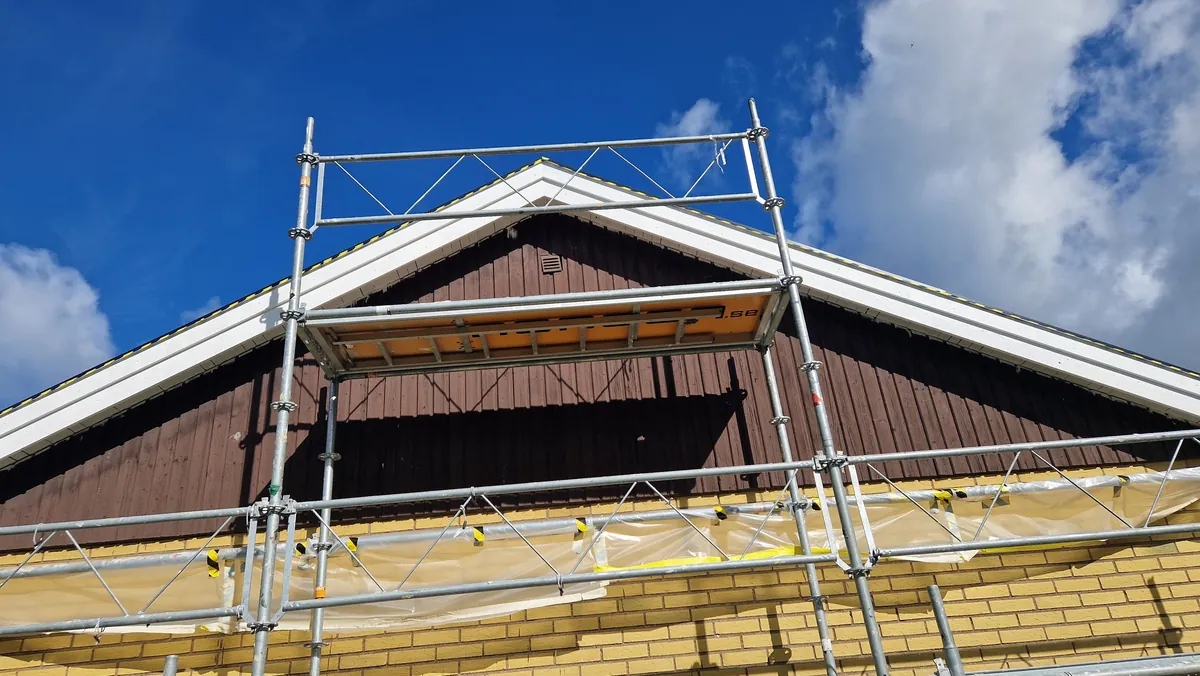
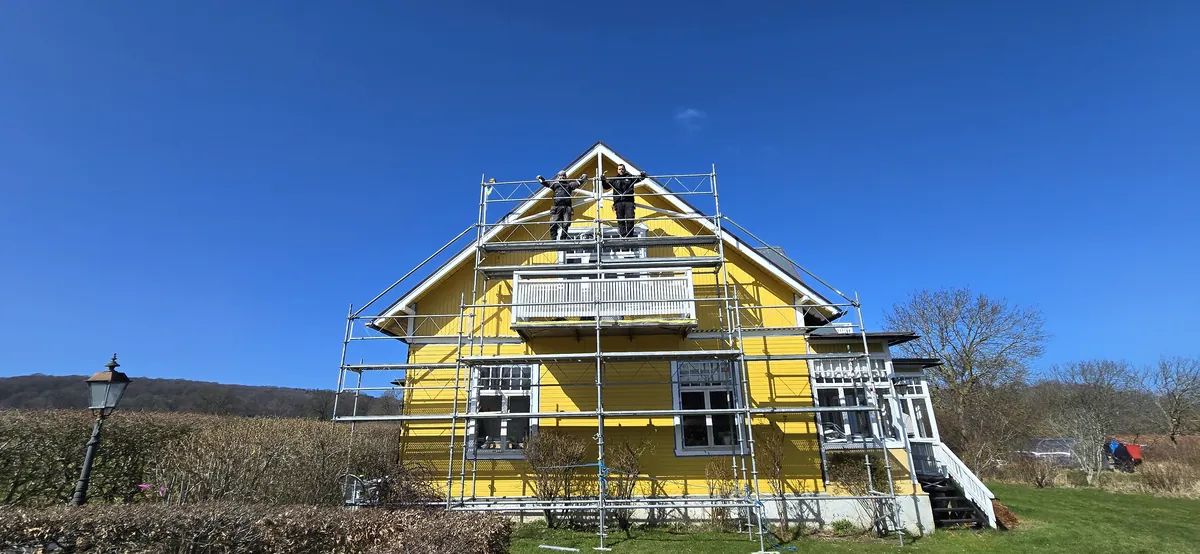
Yellow timber cladding with white windows and scaffolding in Arild.
Project photo from Arild: scaffolding provides access to the gable and eaves.
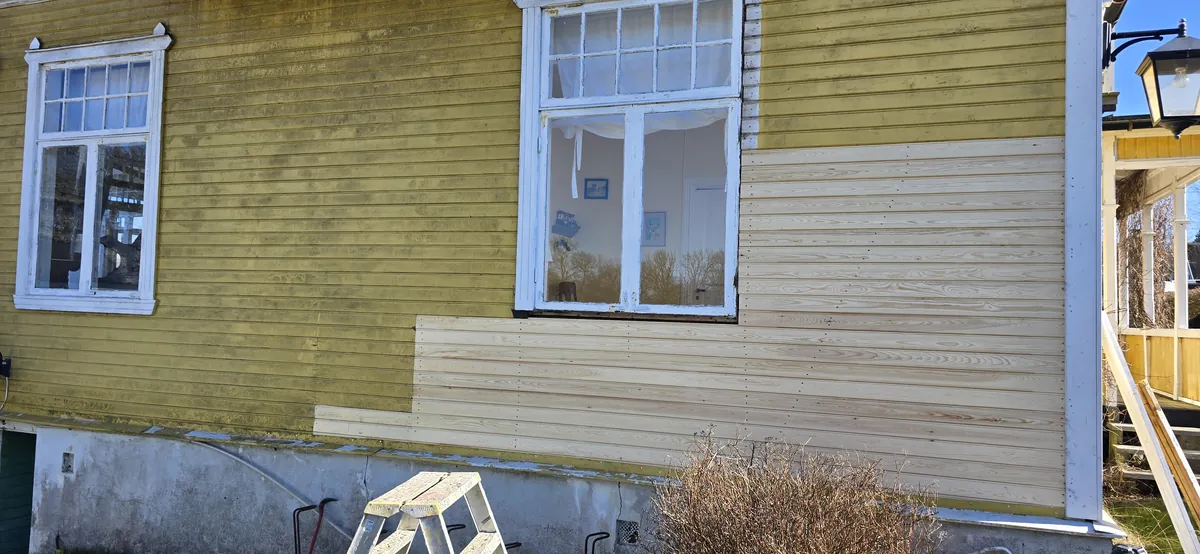
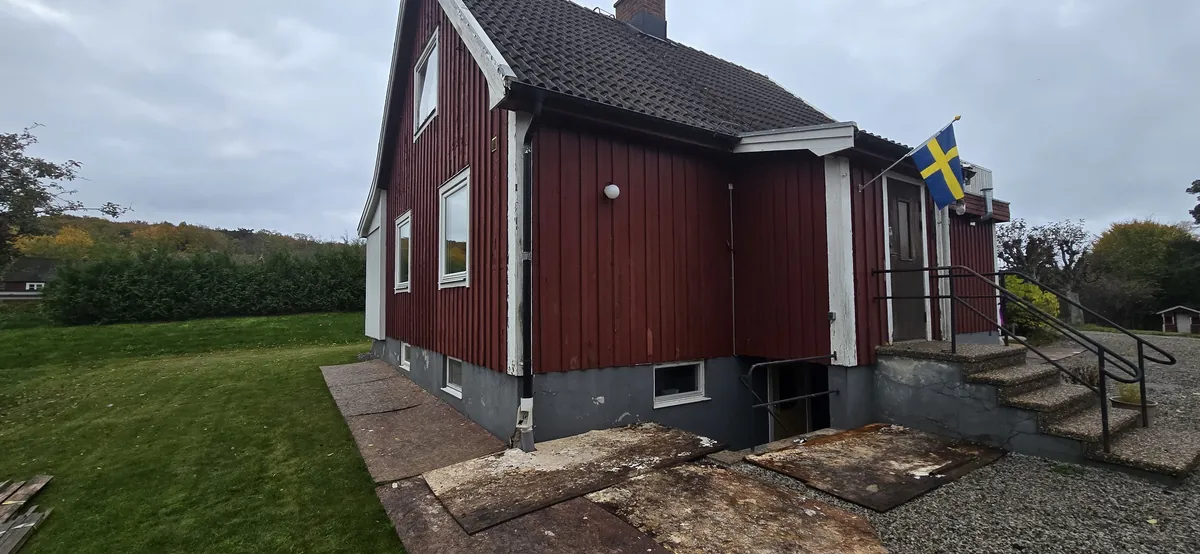
Red vertical timber cladding, white windows and a grey plinth on a house in Båstad.
Project photo from Båstad. The cladding's condition and junctions determine the preparation required.

What temperature is needed for outdoor painting?

The selected paint system sets the permitted air and surface temperatures; limits differ between products and substrates. Check the conditions required during application and drying.

Temperature affects drying and film formation. Use the actual product’s instructions rather than transferring one range to every acrylic, oil-based or mineral paint.

Check the air and surface conditions required by the product. A sunlit wall can differ from the reported air temperature, while sheltered areas can stay damp; a forecast alone is not a surface measurement.

What temperature is needed for outdoor painting
TemperatureResult
Lower temperature limitFollow the selected product’s limit
Product-specific rangeConfirm conditions for the selected system
Surface temperatureCheck the actual surface against the specification
Upper temperature limitFollow the selected product’s limit

Dew risk should be assessed along with the product’s temperature and moisture requirements. Use any specified dew-point margin for that product; three degrees and an exception for all linseed-oil paints are not universal rules.

How temperature affects the paint finish

Temperature checklist: confirm the product’s lower and upper limits, surface temperature and conditions through drying. No one numerical band applies to every façade paint.

Lower temperature limitFollow product instructions
Working rangeCheck product and substrate conditions
Surface temperatureCheck against the product limits
Upper temperature limitFollow product instructions

What weather should you avoid when painting a façade?

Check rain, humidity, wind, sunlight and dew against the selected paint system’s conditions, both during application and while the coating needs protection. Postpone work when the specified conditions cannot be met.

Use weather forecasts to plan, then check the actual site and surface. Forecasts do not measure every wall or establish one cause of failed paint.

  • Rain and high humidity: Humidity limits and protection from rain depend on the product. Follow its stated conditions and forecast window rather than a universal 80% threshold or two-day rule.
  • Strong wind: Wind carries pollen, dust and insects onto the wet surface and dries brush edges prematurely, causing overlaps.
  • Direct sun: Direct sun may heat the wall beyond the product’s permitted conditions. Assess the actual surface and follow the application instructions.
  • Morning dew and evening damp: Do not paint early or late when dew has dampened the surface.

Plan work so the surface and coating meet the specified conditions. Shade alone does not establish readiness if there is moisture, wind or unsuitable temperature.

Four weather enemies of façade paintingWeather checklist: rain and humidity, wind, sunlight and dew can affect application and drying. Use product-specific limits and actual site checks rather than universal numerical thresholds.FOUR WEATHER ENEMIES OF FAÇADE PAINTINGRain and humidityProduct-specific limitStrong windoverlapsDirect sunrough surfaceMorning dew and evening dampdamp with dew
Use the forecast for planning and verify the actual surface and conditions before starting.
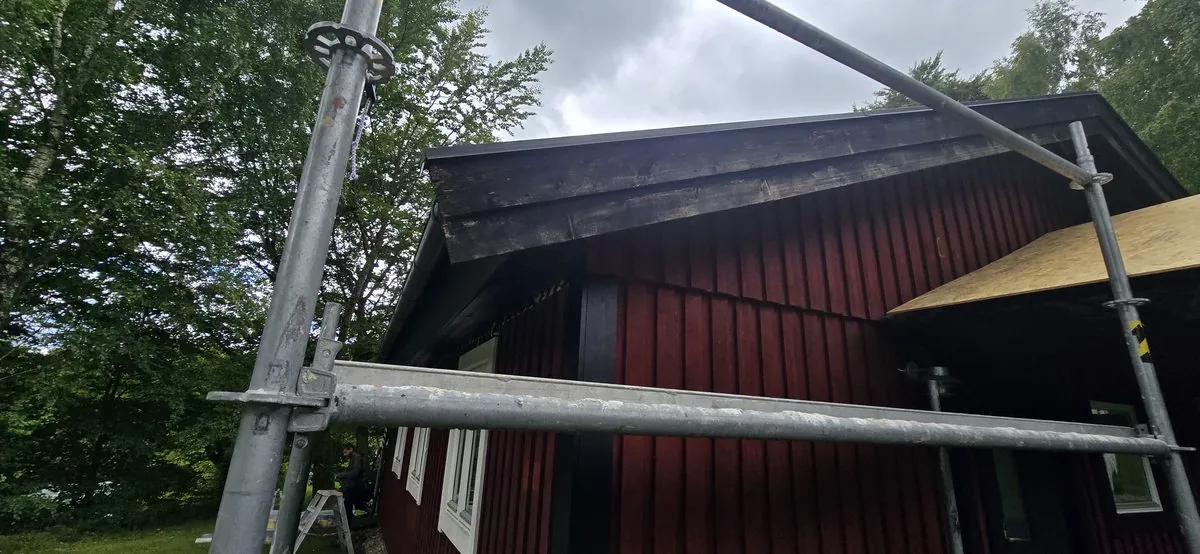
Red timber house with white-painted details and scaffolding in Lycke.
Project photo from Lycke during façade work.

How does Skåne’s climate affect when to paint?

Local exposure affects the planning of exterior painting in Skåne, but a coastal location does not create a guaranteed painting season. Check the actual site, surface and forecast against the chosen system.

Use local weather information to plan inspection and work, then verify the actual conditions. This guide does not establish a region-wide number of suitable days or a universal 10–20°C requirement.

Exposure varies between sites and elevations, including around Helsingborg and Höganäs. Assess drying and dew risk for the actual wall rather than applying one fixed wait after rain.

For those living in the north-west, around Kvidinge and Åstorp, plan from the chosen system, surface assessment and suitable forecast. Request a project schedule that explains how unsuitable weather or delayed drying will be handled.

How do you plan façade painting within the season?

Plan assessment, preparation and painting as separate stages for the actual façade, including the necessary product-specific curing, drying and weather conditions. No universal two-to-four-week preparation period is promised.

Preparation follows the specification

Preparation depends on the actual substrate, existing coating and selected system; no fixed percentage describes every job. Complete the specified preparation and confirm readiness before painting. A dry feel at the surface does not replace any moisture or condition checks required by the system.

A work sequence should account for dependent tasks, preparation, drying and weather delays. The calendar cannot guarantee that all stages fit a fixed seasonal window.

  1. February–March: Inspect the façade, record scope and agree availability with the contractor.
  2. April–May: Wash off dirt, algae and mould. Scrape off peeling paint, repair damage and let the surface dry completely.
  3. May–June: Use any primer required by the actual substrate and selected system. A shared brand name alone does not guarantee adhesion.
  4. June–September: Apply the specified coat build-up when surface and weather conditions meet the product requirements.

Purchased labour may qualify for up to 30% ROT in 2026 when the personal, property, work, payment, tax and allowance conditions are met. Materials are excluded. For an itemised budget, see the cost of façade renovation provides a clear picture. If the façade needs more than new paint, a complete façade renovation needs its own assessed scope; painting does not automatically include structural repairs, new render or cladding replacement.

The seasonal plan step by stepPlanning sequence: assess the façade, specify preparation, complete any required priming and apply the selected finishing system. Timing follows actual conditions and product instructions, not fixed months.THE SEASONAL PLAN STEP BY STEP1Inspect and bookFebruary–March2Wash and scrapeApril–May3PrimeMay–June4Apply topcoatJune–September
Plan the actual preparation, drying and application conditions; no fixed percentage applies to every project.

Frequently asked questions

Can you paint a façade in autumn?
Possibly, if the surface and weather meet the selected product’s conditions throughout application and drying. The month alone does not establish suitability; check rain, dew, temperature and moisture requirements.
How long must a façade be dry before painting?
Use the actual product’s substrate-moisture and application requirements. Drying after rain depends on material and conditions, so no fixed number of days or a touch test alone establishes readiness.
Can you paint a façade in direct sunlight?
Follow the product’s restrictions on direct sunlight and surface temperature. Sun can heat a façade beyond suitable conditions; moving into shade does not remove the need to check moisture and drying conditions.
How often does a façade need repainting in Skåne?
Maintenance depends on the actual coating system, substrate, condition and exposure. Inspect the façade and use product-specific guidance rather than one universal interval for timber, render or coastal homes.
Rules of thumb for façades in SkåneMaintenance and application checks are product- and condition-specific. No universal repainting interval, wait after rain or dew-point margin applies to every façade.RULES OF THUMB FOR FAÇADES IN SKÅNERepainting timber façadesCondition-dependentRepainting rendered façadesCondition-dependentDrying time after rainCheck substrate readinessMargin above the dew pointUse the specified margin
Set maintenance and work timing from the actual coating, substrate and conditions.

Updated

Request a fixed price

Estimate your project cost

Estimate your project cost

Select the service, scope and customer type. The calculator loads here.

Request a quote