
We count visits to see which pages are helpful – nothing is sold on. Privacy policy

NLL Guides · COSTS & ROT

Which colour should you choose for your house?

Dorde Lalic, founder and owner of NLL MåleriDorde Lalic founder and ownerNLL Måleri · · 7 min readLinkedIn
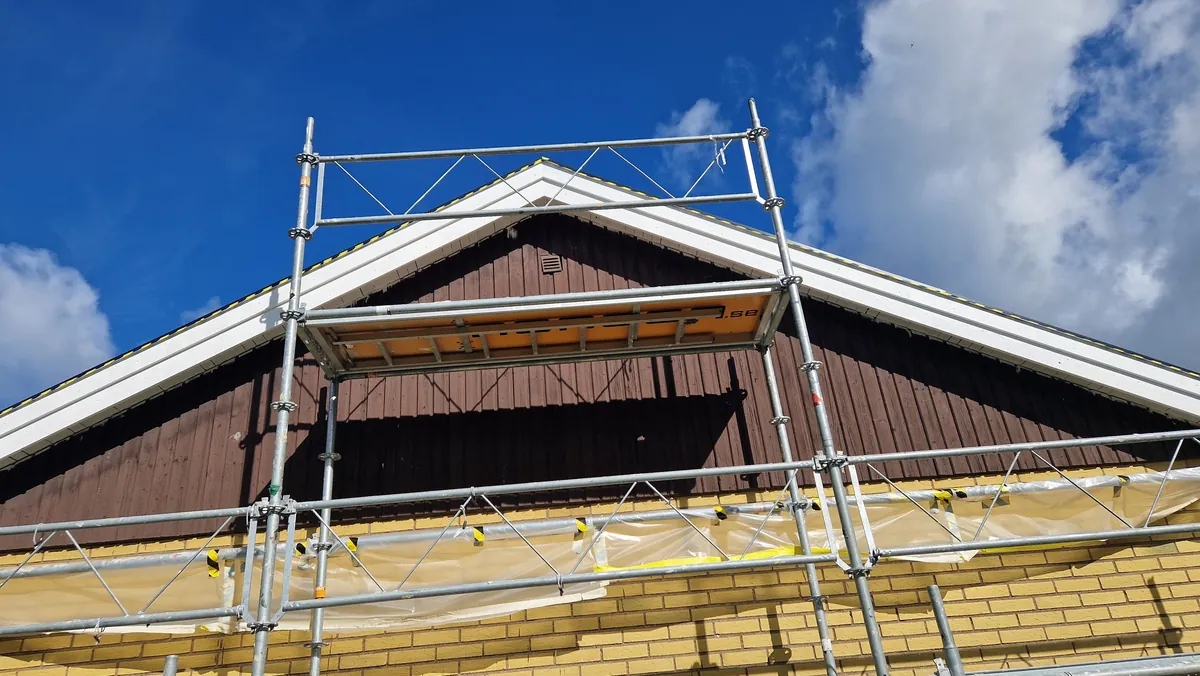
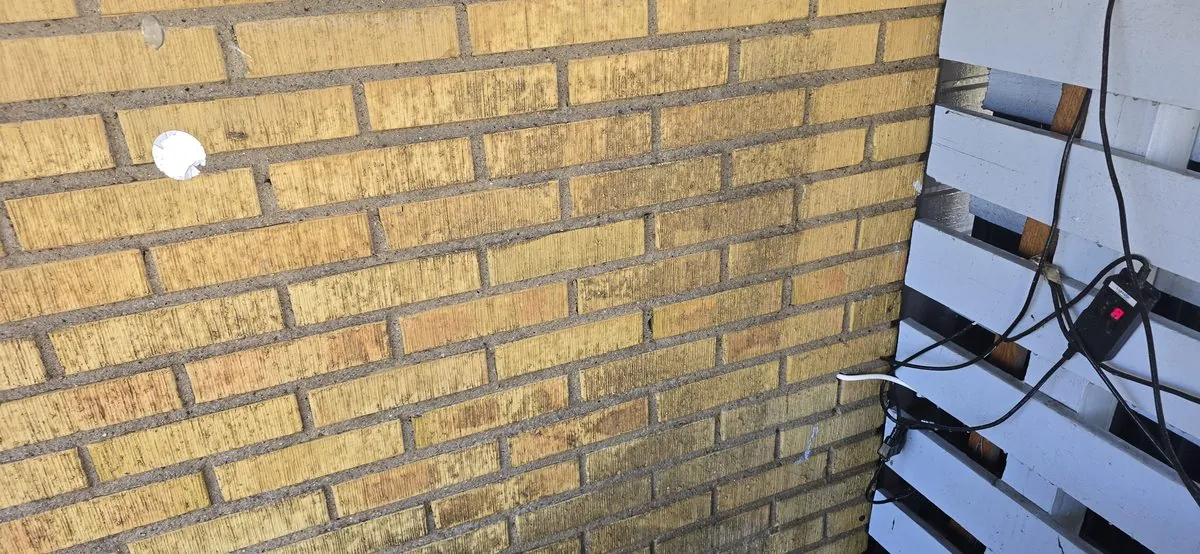
Yellow brick wall beside covered windows and work materials in Åkarp.

Project photo from NLL Måleri's existing image archive.

Quick answer
Compare suitable colour samples in the intended paint system on or beside the actual façade. View them in different daylight conditions and alongside the roof, windows and plinth. Confirm substrate compatibility and any local requirements before deciding.

Which colour should you choose for your house?

Compare colour samples in the intended finish and different daylight conditions before choosing. Use an appropriate sample method for the façade rather than relying only on a small indoor colour card. Colour appearance changes with lighting, surrounding colours, area, texture and gloss. Compare a representative sample in its intended setting; there is no fixed number of shades by which every colour changes.

Follow a daylight comparison: compare samples in several daylight conditions, including sun and shade where relevant. This is a practical comparison method, not a guarantee that a colour will appear identical at every time of day.
Choosing a house colour in 5 stepsFive planning steps: consider architecture and fixed materials, shortlist colours, prepare suitable samples, compare them in different daylight and check the intended finish against the surroundings.CHOOSING A HOUSE COLOUR IN 5 STEPS1Step 1Identify age and style2Step 2Choose 2–3 NCS colours3Step 3Prepare a suitable sample4Step 4Compare different daylight5Step 5Check against materials
The decision starts on the façade, not in the shop.

Which tools and materials do you need to choose a colour?

Use a colour reference, a short list of samples in the intended product or finish, and a suitable place to compare them against the building’s fixed materials. An NCS notation specifies a colour reference using hue and perceived blackness and chromaticness. Finished appearance also depends on product, gloss, texture and lighting, so verify a physical sample with the chosen supplier, such as STO, Jotun or Nordsjö.

  • NCS colour chart · to specify an exact code, not just “grey-green”.
  • Colour samples (2–3) · sample tins in your shortlisted colours.
  • Brush and sample area · make a representative sample using a method and coat build-up suitable for the actual substrate and product.
  • The right paint system · Swedish distemper, linseed oil, acrylic or silicate paint according to material.

Do not skip colour sampling. NLL’s listed 187.50–250 SEK/m² material range covers paint, tape and protection for the painting work; it is not a retail price for façade paint alone.

Maintenance depends on the actual systemMaintenance depends on the actual coating system, condition and exposure. Colour selection does not establish a universal repainting interval for timber or render.MAINTENANCE DEPENDS ON THE SYSTEMCondition-dependentTimber façade (Swedish distemper/linseed oil)Condition-dependentLime render / silicate
Use product guidance and inspect the actual condition.

How do you choose a house colour step by step?

Use five planning steps: consider the architecture, shortlist colours, prepare representative samples, view them in different light, and compare with fixed materials and the surroundings. Compare representative samples before committing to the full façade.

  1. Identify the house’s age and style. A house from around 1900 and a new build suit very different colours.
  2. Choose 2–3 NCS candidates. Keep the shortlist small, or the decision becomes impossible.
  3. Prepare representative samples. On the façade and aspect that will be painted.
  4. Compare different daylight conditions. Morning, midday sun and overcast evening.
  5. Check against materials and neighbours. The colour should suit both the façade material and the streetscape.
Exterior painting price ranges (incl. VAT)

Indicative labour including VAT before any applicable ROT: rendered/brick façades 500–750 SEK/m² and timber façades 625–875 SEK/m². Paint, tape and protection are additional at 187.50–250 SEK/m².

Rendered and brick façades500–750 SEK/m²
Timber façade625–875 SEK/m²
Materials (façade)187.50–250 SEK/m²

Which colour suits the house’s age and style?

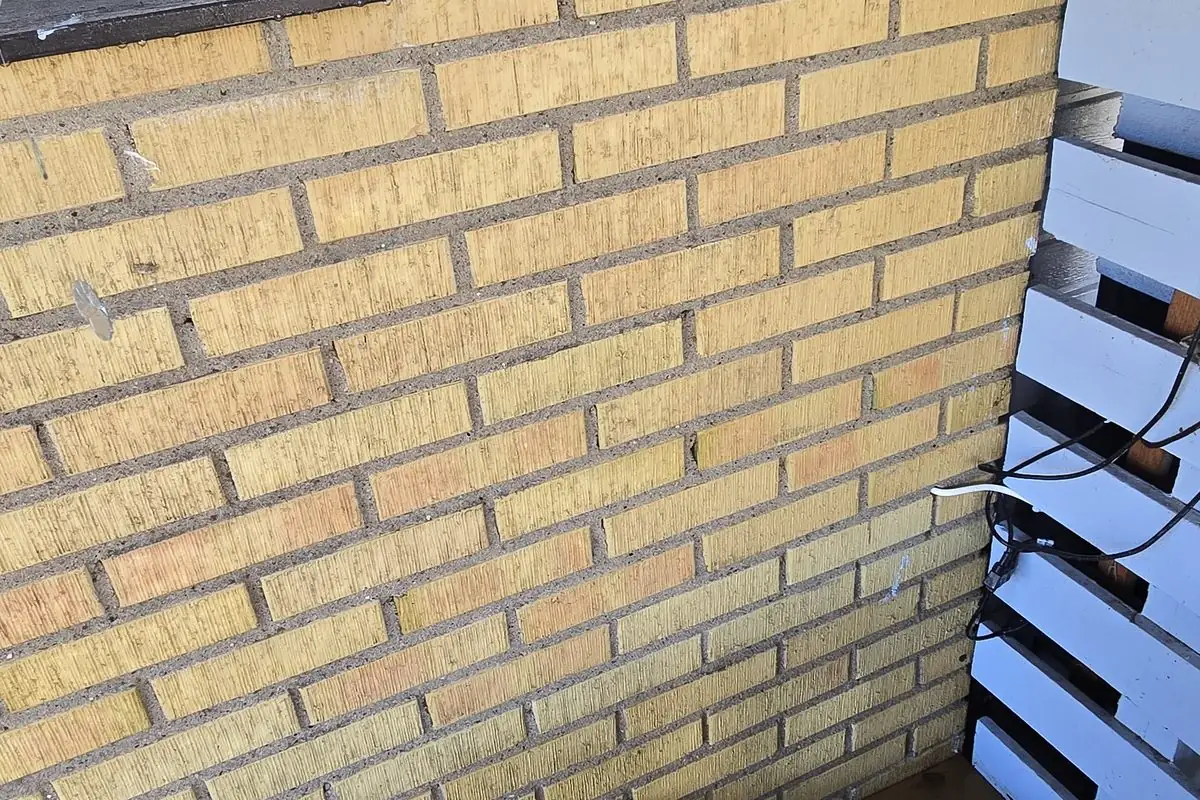
Close-up of a yellow brick façade with joints and protected surfaces in Åkarp.
Project photo from NLL Måleri's existing image archive.

Consider the architecture and fixed materials when choosing a colour. A house’s date alone does not determine whether light, dark, muted or saturated colours are appropriate. Architecture, existing materials and any historic or local requirements help guide the shortlist. These are design considerations, not a universal old-house versus new-house colour rule.

For example, an old timber house with decorative woodwork is enhanced by muted English red or a pale linseed oil paint colour. Conversely, the deep graphite black suiting a modern cubic house may look harsh and wrong on a house from around 1900. Look at window trim, roof and plinth: they frame what the façade can carry.

House age guides colour choiceDesign checklist: consider the architecture, roof, windows, plinth and any historical or local requirements. Neither an age band nor a new-build label prescribes a particular colour palette.HOUSE AGE GUIDES COLOUR CHOICEAround 1900 (1890–1920)Muted earth colours, off-whiteNew buildGraphite grey, black, saturated colours
Architecture establishes the colour logic.

How do dark colours affect heat and fading on south-facing façades?

Check whether the proposed dark colour is permitted for the actual façade system. Solar heating, the product formulation, substrate and exposure all affect performance; no fixed repainting interval follows from the colour alone. Darker surfaces can absorb more solar energy, but weathering and colour stability depend on the specific system and exposure. Check any restrictions on dark colours in the product or façade-system instructions.

A dark colour may be suitable when the specified system permits it. Assess a sample in the intended setting and follow system-specific maintenance guidance rather than assuming a universal shorter life.

ROT deduction on façade painting

Conditional ROT example: 50,000 SEK of qualifying labour gives a 15,000 SEK deduction and 35,000 SEK labour payment only if the full 30% can be used. Eligibility, tax capacity and remaining allowance must support the claim.

Labour cost50,000 SEK
30% ROT deduction−15,000 SEK
Payable35,000 SEK
Cap per person/year50,000 SEK

How does colour interact with façade material?

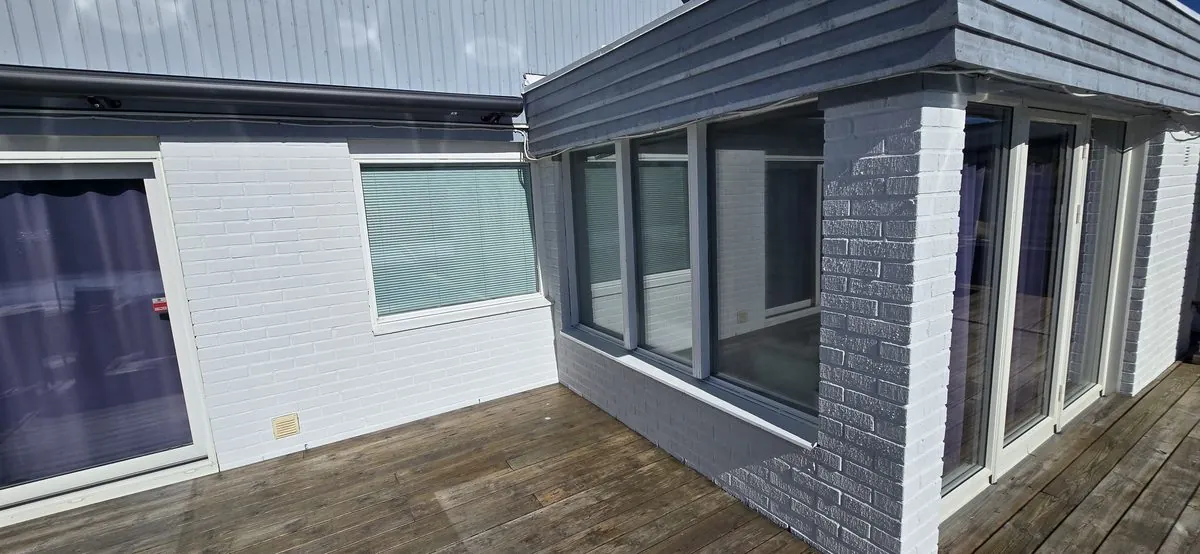
The same brick façade in Åkarp after painting white, with grey sheet cladding above and sliding windows facing the terrace
Project photo from NLL Måleri's existing image archive.

The façade material and existing coating determine suitable systems, while texture, gloss, lighting and colour reference affect appearance. Do not infer a maintenance interval from the binder alone. Check the actual substrate and existing coating before choosing a product. An NCS reference does not specify gloss or texture, and the same reference can look different in different finishes or lighting.

MaterialsPaint typeColour appearance
TimberSwedish distemper, linseed oil, acrylicAppearance and maintenance are product-specific
RenderSilicate, limeAppearance and maintenance are product-specific
BrickA documented compatible masonry systemNatural tone, often unpainted

If considering paint on brick, assess the masonry, moisture conditions, mortar and suitable coating system first. A generic mineral-paint recommendation is not enough to establish suitability.

When is hiring a façade painter worthwhile?

Ask for professional help where safe access requires specialist equipment. NLL’s exterior painting labour is priced by surface and scope; materials and access costs are separate, and any ROT deduction is conditional. The right colour will not last over poor preparation; washing, scraping and priming determine most façade jobs.

The cost of exterior house painting is based on labour of 500–750 SEK/m² for rendered/brick façades and 625–875 SEK/m² for timber façades, including VAT before any applicable ROT. Paint, tape and protection are additional at 187.50–250 SEK/m². A conditional example of full 30% ROT on 50,000 SEK of eligible labour gives a 15,000 SEK deduction and 35,000 SEK labour payment, only if the customer meets the conditions and has enough allowance. NLL assesses the actual surface and scope before quoting. See exterior painting in Skåne for the service.

How to do it step by step

  1. Identify the house’s age and style · Consider the architecture, roof, trim and plinth. Historical colour schemes or local requirements may influence a suitable choice; house age does not prescribe one palette.
  2. Choose 2–3 NCS colour candidates · Record the chosen colour reference and intended product and finish, then verify a physical sample.
  3. Prepare representative colour samples · Use a representative sample method and the coat build-up specified for the actual product and substrate.
  4. Compare different daylight conditions · Compare the sample in different daylight conditions and alongside fixed materials; this helps assess appearance but does not guarantee an identical colour under all light.
  5. Check against materials and neighbourhood · Check that the colour suits the façade material and streetscape. Choose a paint system documented as suitable for the actual substrate and existing coating.

Frequently asked questions

What is the most common house colour in Sweden?

Falun red and off-white are familiar options, but this guide does not establish their market share or resale effect. Choose from colours suitable for the architecture, intended finish and any applicable local requirements.

How many colour samples should I paint?

A small shortlist is a practical starting point. Compare representative samples in the intended finish and lighting; the appropriate sample size and method depend on the surface and product.

Can I paint a south-facing house black or dark?

Possibly, if the proposed dark colour is permitted by the actual façade and coating system. Check any colour or solar-heating restrictions, assess a sample in place, and follow the system’s maintenance guidance.

What is the NCS system?

NCS is a colour system whose notations describe hue, blackness and chromaticness. The code is a colour reference, not a guarantee of identical finished appearance across brands, products, gloss levels, surfaces or lighting. Check a physical sample.

How much paint is needed per square metre?

Use the selected product’s stated coverage and required coats. Divide the measured area by coverage per litre and allow for the actual surface and application; this guide does not establish a universal 4–6 m² coverage or two-coat rule.

Updated

Request a fixed price

Estimate your project cost

Estimate your project cost

Select the service, scope and customer type. The calculator loads here.

Request a quote