NLL Guides · INTERIORS
Painting over wallpaper: check the surface and prepare the wall
Published
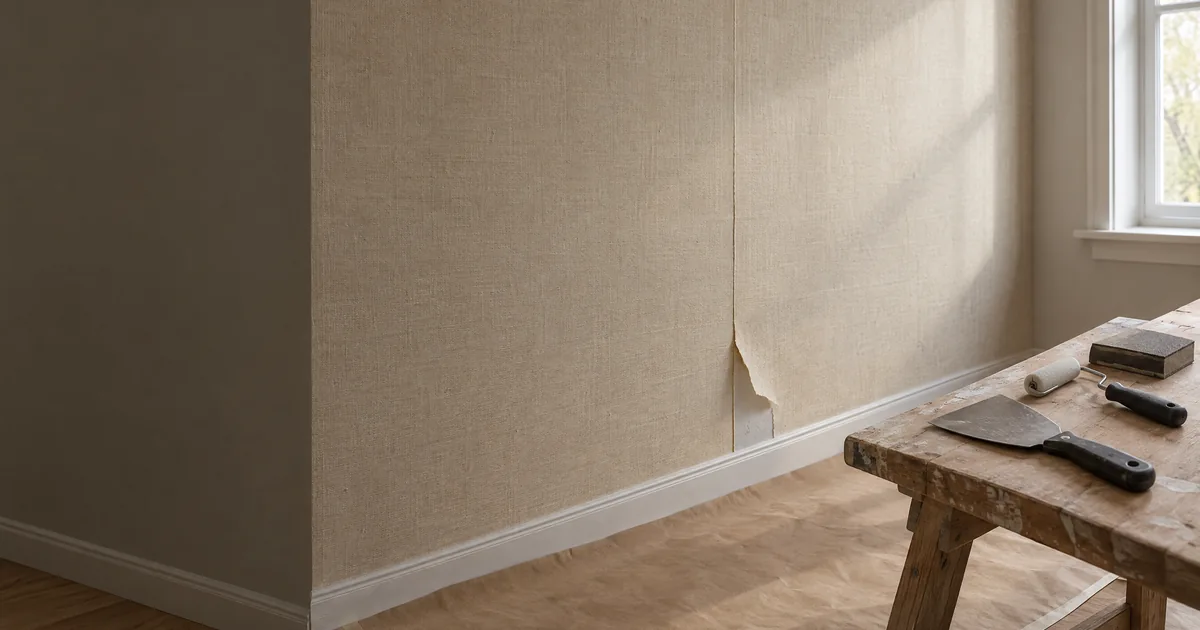
Illustration: a loose wallpaper seam needs assessing before painting.
You can paint over firmly attached wallpaper when the wallpaper type and paint system are compatible. Check loose seams, bubbles and wall condition before deciding on preparation. Paper and vinyl wallpaper should not automatically be treated the same way.
This guide helps you decide what can remain, what needs attention and when the surface needs assessment. It covers ordinary interior walls in dry rooms.
Can you paint directly over wallpaper?
Wallpaper can sometimes remain as the surface, but that does not mean preparation can be skipped. A new colour does not resolve loose layers. In its advice on painting over wallpaper Beckers distinguishes different wallpaper types and recommends removal when large areas are coming loose.
Also distinguish two aims: changing colour and achieving a smooth wall. If you want to remove the wallpaper's texture, plan surface preparation accordingly. Choosing wall paint alone does not decide how to handle texture.
What should you check before starting?
Find out which wallpaper is on the wall and how well it adheres. Photograph both the whole wall and areas where seams or layers have lifted. Photos support questions to the paint supplier or painter but cannot reliably identify every material.
Wallpaper type and previous treatment
The wallpaper's surface affects preparation. Use the table to organise questions before choosing products.
| What you have or suspect | What you need to establish |
|---|---|
| Paper wallpaper | Is the paper firmly attached, and what primer does the paint system specify? |
| Vinyl wallpaper | Is the surface suitable for painting or should it be removed first? |
| Textured wallpaper | Should the texture remain, and is the wallpaper peelable? |
| Previously painted wallpaper | Are there old bubbles, loose layers or previous repairs? |
| Unknown wallpaper type | Can the supplier or a painter assess the material before you continue? |
What do you need to establish first?
Take particular care not to treat all vinyl alike. In its answer about vinyl wallpaper Beckers explains that plasticisers can affect paint drying and recommends removing the outer layer of peelable wallpaper. Check what applies to your wallpaper and products.
Loose layers, seams and signs of moisture
Loose seams and widespread lifting require different decisions. A small seam can sometimes be reattached, while wallpaper lifting over large areas needs removal. Also check what is beneath the loose layer.
Suspected moisture damage must be investigated before painting. Discolouration or odour alone cannot establish the cause. The Public Health Agency of Sweden's guidance on moisture and microorganisms explains the need to investigate the construction and address the moisture source. Covering a stain with paint does not replace that investigation.
How do you prepare wallpaper and seams for painting?
Start by protecting the room and dealing with loose material. Then choose repairs and primer to suit the surface. The order of priming and filling can differ between systems; do not substitute a general checklist for product instructions.
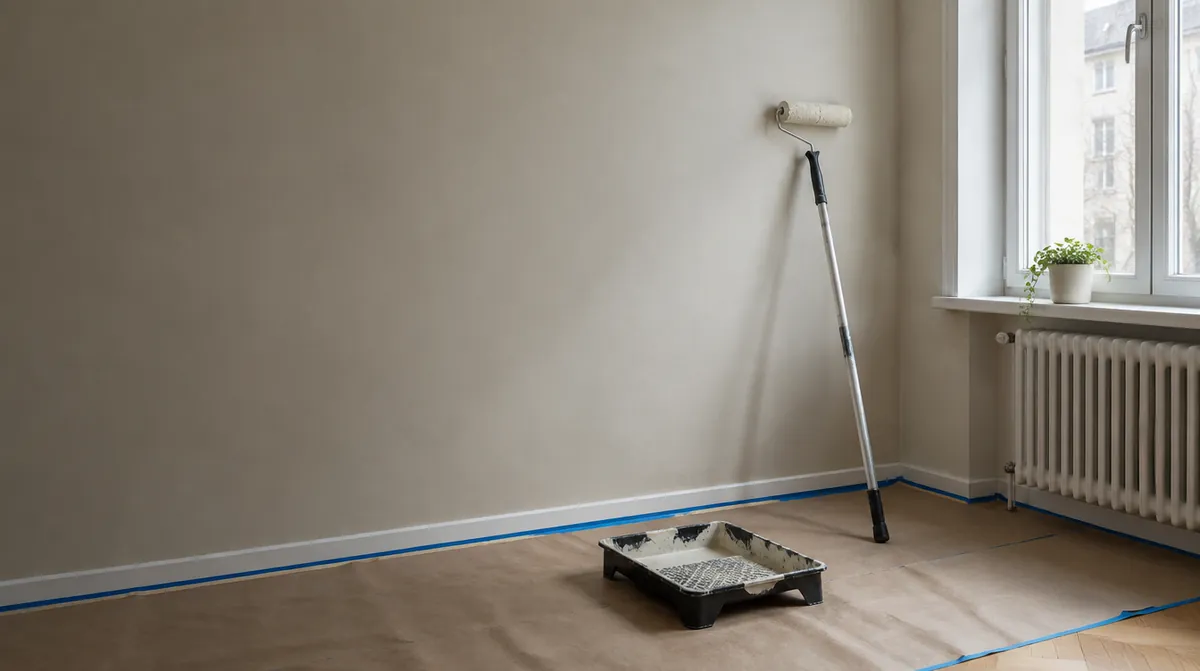
- Protect floors and adjoining surfaces. Secure coverings so they stay in place and mask where needed.
- Clean appropriately for the wallpaper type. Choose the method according to the wallpaper and product instructions; do not assume every wall tolerates the same washing.
- Deal with loose areas. Decide which layers can remain and which must be removed before further treatment.
- Plan the repairs. Minor damage, seams and an entire uneven wall involve different amounts of preparation.
Nordsjö describes protection, cleaning and repairs in its guide to painting over wallpaper. The advice relates to the products and surfaces covered by that guide.
Smoothing the entire wall is a larger job than repairing a few seams. Read about skim coating walls to distinguish the options. The suitability of remaining wallpaper still needs assessment.
What primer does the surface need?
Choose primer according to the wallpaper and subsequent treatment. A product for paper wallpaper is not automatically right for every vinyl, woven or previously painted surface.
One example is Beckers' Isolergrund primer for paper wallpaper, intended to prevent blistering before filling or painting. This is a product example, not a statement about which brand NLL uses for your project.
Read the full application instructions before planning the next stage. General recoating information may be supplemented by specific waiting times for paper wallpaper. Do not plan solely around the shortest drying time in a summary.
What should you do with textured wallpaper?
First decide whether to keep the texture. For peelable textured wallpaper, Alcro recommends in its advice on textured wallpaper removing the textured outer layer before further priming and any filling. This advice assumes the wallpaper type described there.
Request an assessment if the wallpaper type is unknown. A photo of the finished wall cannot reliably reveal the layers beneath the paint.
How do you paint and deal with bubbles?
Only paint once preparation is complete and the previous treatment has dried according to instructions. Keep product names and instructions throughout the work so drying times and sequence can be checked.
Paint edges and the wall surface in sequence
Brush corners and edges, then continue with a roller before the edge paint dries. Plan one continuous wall at a time. Nordsjö's wallpaper painting guide describes this sequence to avoid uneven transitions.
Follow the chosen wall paint's instructions on coats, consumption and drying. Do not combine different manufacturers' advice into a new, untested system.
Stop repainting if old bubbles need repair
Existing bubbles must be addressed before continuing. In Beckers' answer about bubbles in previously painted wallpaper the manufacturer distinguishes removing loose areas from sometimes re-gluing small lifted sections. Each bubble does not require the same treatment.
Do not keep applying paint where wallpaper begins to lift. Check product instructions and contact the supplier if you cannot assess the necessary action. Instructions for repairing an old blister are not automatically right for every new bubble during painting.
When should wallpaper be removed or assessed?
Remove extensively loose wallpaper and have unknown or damaged surfaces assessed before continuing. Where wallpaper remains, the next decision is what preparation is needed for your desired result.
Note the following when comparing help with the work:
- Which walls will be painted, and what wallpaper is there?
- Should the wallpaper texture remain or be removed?
- Where are loose seams, bubbles or previous repairs?
- What removal, priming and filling are included in the quote?
- Are labour, materials and other costs shown separately?
NLL Måleri offers interior wall and ceiling painting and filling in north-west Skåne. Surface condition determines what your project needs. NLL's service here covers preparation and painting, not hanging new wallpaper.
You can start with an estimate in the price calculator. The calculation does not replace assessment of the wallpaper or give a final price for removal or other preparation. Describe your wall and request a quote when you want the project scope assessed.