The bathroom faces the toughest conditions in the house: steam, condensation and cleaning products affect its surfaces around the clock. Painting works here, but only with the right paint on the right surface. Below we explain where paint can be used, which paint is needed and the order of work.
NLL Guides
Painting a bathroom: wet-room paint, zones and the right sequence
 Dorde Lalic founder and ownerLinkedIn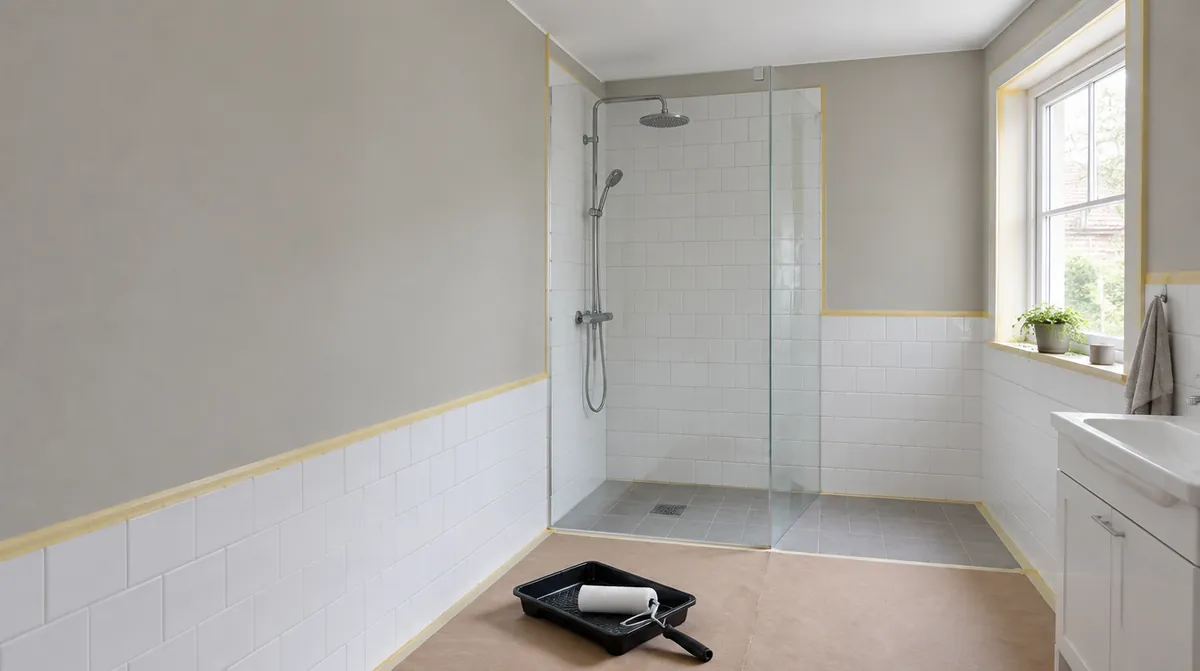
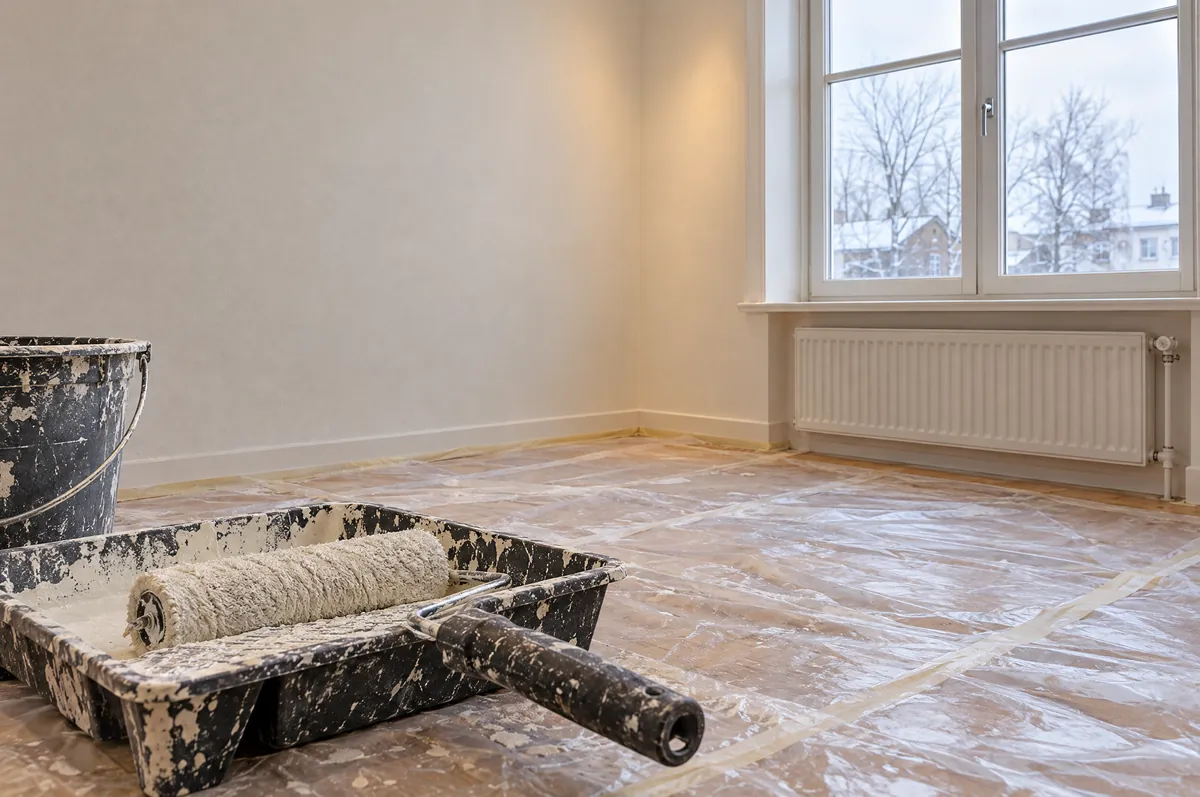
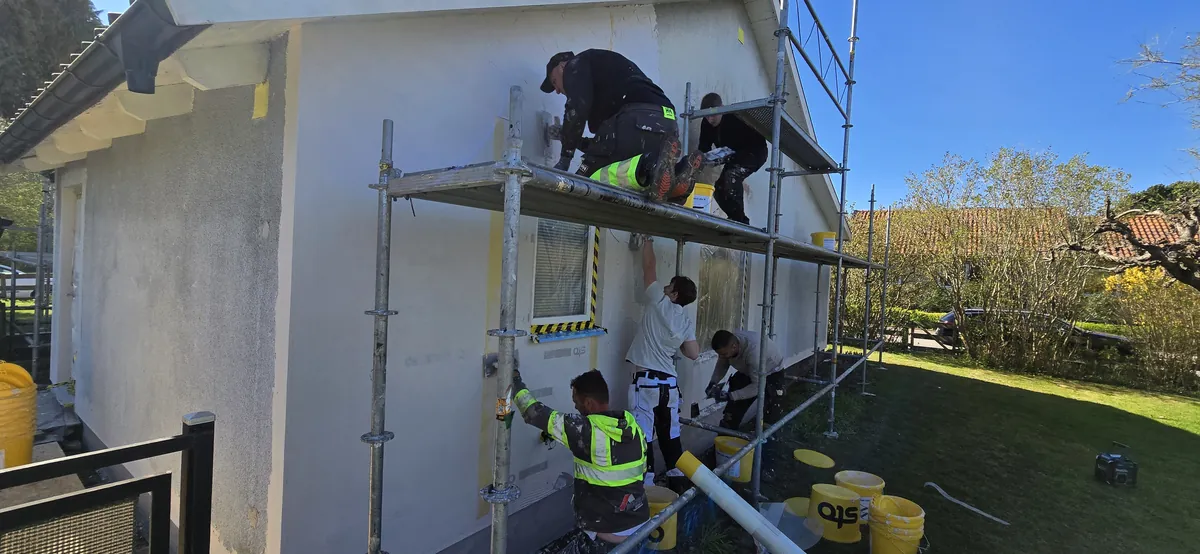
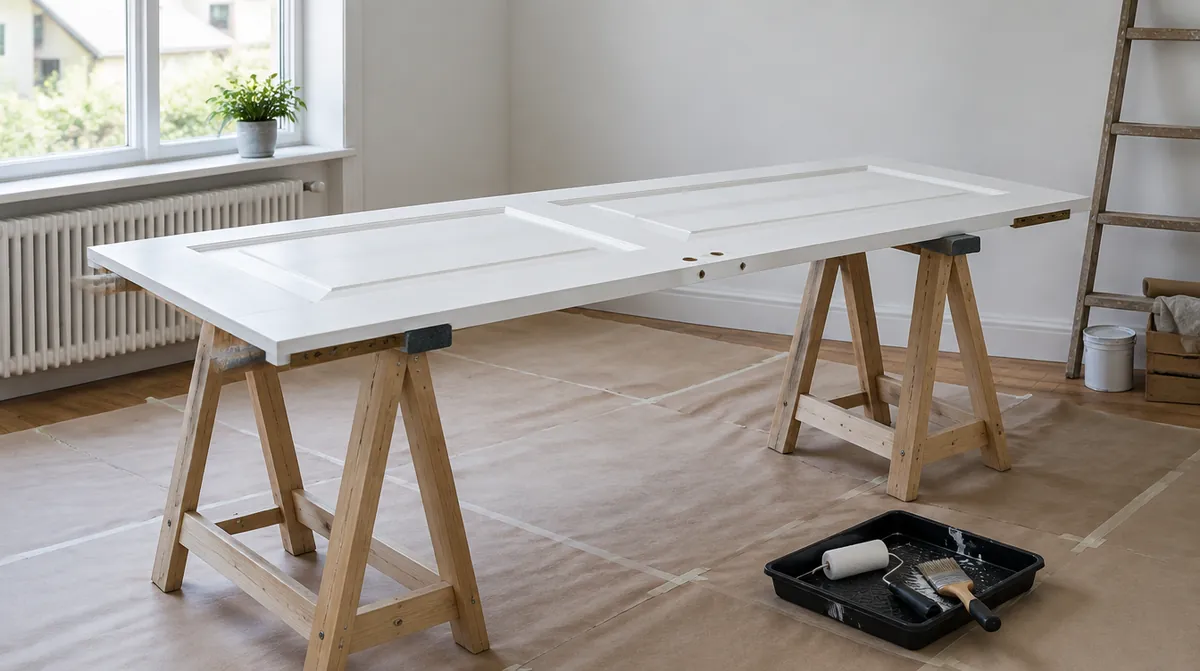
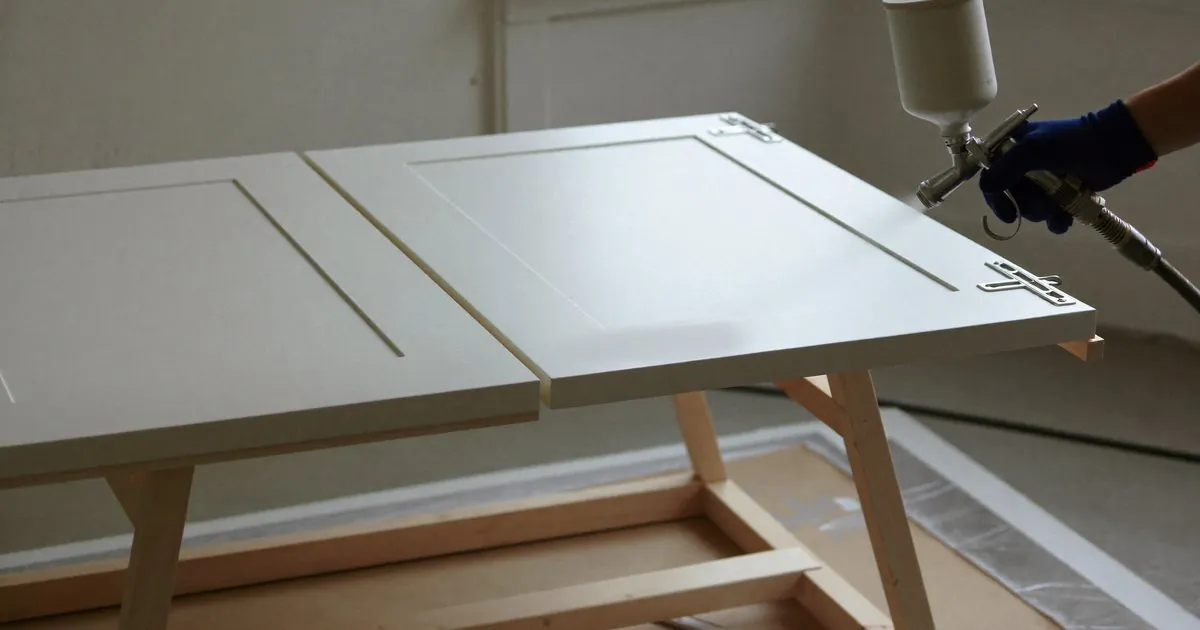
The image illustrates painting and masking, not waterproofing instructions.
Quick answer
A bathroom needs a coating system appropriate to its wet-room classification, existing construction and condition. A tin of wet-room topcoat alone is not a complete waterproofing system. Confirm the permitted work and system before ordering.
Can bathroom walls be painted?
Yes, a bathroom can have painted surfaces when the complete system is approved for the relevant wet-room area and installed according to its instructions. Tiles are not the only permitted finish in every shower area. Use a complete approved wet-room system for the actual substrate and zone. A generic topcoat alone is not a waterproofing system; confirm the design and installation requirements before work.
| Surface area | Zone | Requirements |
|---|---|---|
| Shower and splash areas | Check wet-area classification | An approved system for the classified area |
| Walls outside the splash zone | Confirm required classification | Use the specified complete system |
| Ceiling | Confirm required classification | Use the specified complete system |
Where tiled and painted systems meet, the junction needs the correct detail. Have the existing construction and waterproofing assessed before agreeing a finish; do not infer suitability from the topcoat alone.
What paint does a bathroom need?
Bathroom painting requires a complete system suited to the classified surface and existing substrate, with the products and sequence specified by that system. Do not substitute ordinary wall paint or mix unapproved products into a wet-room system. The specification determines preparation, reinforcement where required, coating amounts, drying and return-to-use conditions.
How do you paint a bathroom?
Start by assessing the existing construction and choosing the appropriate complete system. Preparation, repairs, products, quantities and drying times then follow that system’s application instructions. The sequence is:
- Clean the surface using the method specified for the existing and proposed system.
- Sand only where and as instructed; avoid damaging an existing waterproofing system.
- Fill defects using an approved repair detail. A generic filler is not a substitute for repairing the waterproofing system.
- Prime as required by the selected system, using its specified products.
- Roll on the specified products and quantities, observing all drying and recoat requirements.
Follow the complete system’s drying, ventilation and return-to-use instructions. Do not use one fixed timetable for all wet-room products.
What does it cost to paint a bathroom?
Bathroom painting is priced after a site visit because areas, condition and zoning vary from room to room. The room and proposed work need assessment before a quote is agreed. Any ROT deduction is subject to eligibility and the current conditions. The service scope is described under interior painting in north-west Skåne.
When is paint not enough in a bathroom?
A decorative topcoat does not repair damaged waterproofing or an ongoing moisture problem. The existing system and construction need assessment before repainting. Have suspected moisture damage or failed waterproofing investigated by a suitably qualified contractor. Discolouration, blistering or soft areas may need more than repainting. Confirm that any proposed work falls within the contractor’s actual competence and agreed scope.
Frequently asked questions
Must wet-room paint be used in a bathroom?
Use the products specified for the approved wet-room system and actual surface. Ordinary wall paint is not a substitute for the complete system.
Can you have painted walls in a bathroom?
Painted wet-room systems can be suitable, including in some shower areas, when the system is approved for the relevant classification and installed correctly. Have the design, substrate and junctions checked.
Can you paint a bathroom ceiling?
Bathroom ceilings can be painted using the specified system for the surface. Assess the existing coating and any moisture damage first; an extra coat alone is not a diagnosis or repair.
Do you paint bathrooms in winter?
Scheduling depends on the room, indoor conditions and contractor availability. Confirm the scope and timing; this guide does not promise shorter waiting times in winter.
Does ROT apply to bathroom painting?
Any ROT deduction depends on the customer, property and work meeting the current conditions and sufficient allowance remaining. A property owner is not necessarily a legal entity; association and company costs must be assessed separately.