
We count visits to see which pages are helpful – nothing is sold on. Privacy policy

NLL Guides · GUIDE

Acrylic or oil-based paint for windows and woodwork – which should you choose?

Dorde Lalic, founder and owner of NLL MåleriDorde Lalic founder and ownerNLL Måleri · · 6 min readLinkedIn
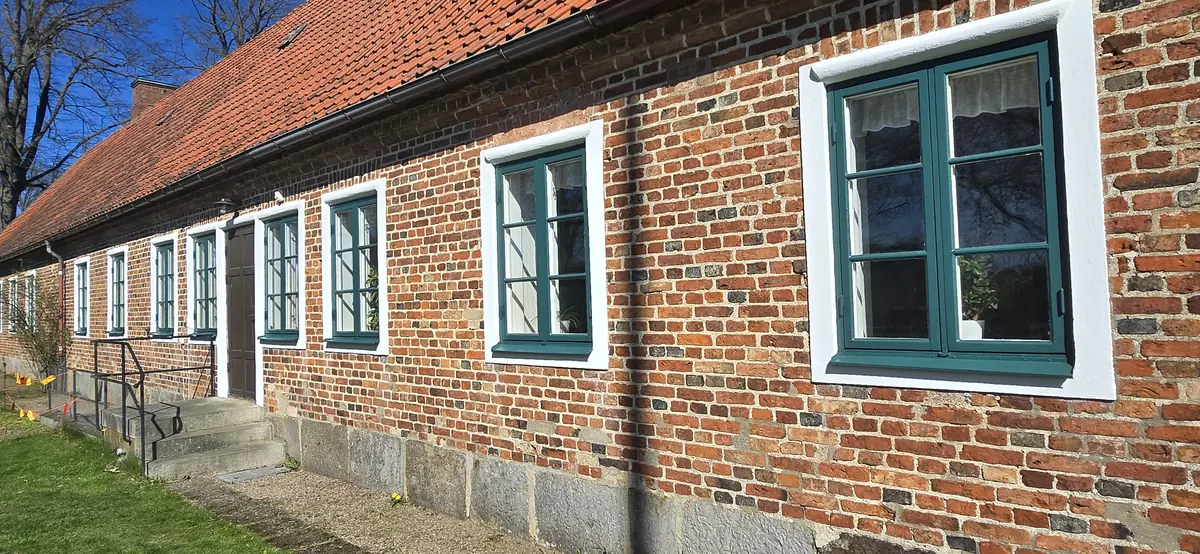
Green timber windows with white surrounds in a brick wall at Kvidinge church.

Project photo from Kvidinge church showing painted window sashes and white surrounds.

Choose a compatible woodwork-paint system for the actual surface, rather than treating acrylic or oil-based paint as a universal winner. Check the actual product’s drying, exposure and maintenance requirements before specifying a complete system.

Quick answer

For windows and woodwork, compare products approved for the actual surface and exposure. The existing coating, required preparation, drying conditions and finish matter more than a broad acrylic-versus-oil label.

  • Interior woodwork – compare the actual product’s recoat time, ventilation requirements and colour stability.
  • Moisture-exposed details – use a complete exterior joinery system specified for the substrate and detail.
  • Flat, sunny surfaces – compare the selected product’s stated exterior exposure and maintenance requirements.
  • High-wear surfaces – select a coating intended for the expected handling and cleaning; binder category alone does not establish wear resistance.
  • Check coating compatibility – check the existing coating and manufacturer’s compatibility instructions before changing systems.

Oil-based or acrylic paint for woodwork – what is the difference?

The binder is the key difference: acrylic, alkyd and linseed-oil products have different formulations and curing behaviour. Water-borne and solvent-borne describe the carrier; they do not alone establish the binder, drying time or durability.

Compare the technical data sheets for the products under consideration. Intended use, substrate, primer, application conditions and maintenance requirements determine whether a coating is suitable; a binder name alone does not supply those details.

For architraves, skirting boards and frames, check the required finish, permitted substrate and return-to-use time. Do not assume two coats can be applied in one day or that every oil-based product gives the same surface.

Product information from manufacturers such as STO, Jotun and Nordsjöcan help compare specified systems. Confirm the actual product and scope in the quote. Painting with repairs and full window restoration are different scopes; the related service is window and door painting. The table below compares the two systems on the factors that determine the choice.

Oil-based or acrylic paint for woodwork – what is the difference
PropertyAcrylic paint (water-based)Oil-based paint (alkyd/linseed oil)
Drying time between coatsProduct-specificProduct-specific
Odour during applicationCheck formulation and safety dataCheck formulation and safety data
Yellowing indoorsCheck product colour stabilityCheck product colour stability
Moisture protection on sashes/flashingCheck stated performanceCheck system suitability
Flexibility with timber movementCheck product performanceCheck product performance
Resistance to mechanical wearCheck stated performanceCompare specified products
Suitable surfaceCheck permitted substratesCheck substrate and exposure
Acrylic versus oil-based paint – four key propertiesCompare each proposed product’s recoat time, colour stability, moisture/exposure suitability and flexibility. These properties vary by formulation and complete system; there is no universal winner for every window or woodwork surface.ACRYLIC VERSUS OIL-BASED PAINT – FOUR KEY PROPERTIESAcrylic – drying timeProduct-specificOil-based – drying timeProduct-specificAcrylic – yellowingCheck product colour stabilityOil-based – yellowingCheck product colour stabilityAcrylic – moisture protectionCheck stated performanceOil-based – moisture protectionCheck system suitabilityAcrylic – flexibilityCheck product performanceOil-based – flexibilityCheck product performance
The four properties that most often determine the choice between acrylic and oil-based paint for woodwork.
Green timber windows with white surrounds in a brick wall at Kvidinge church.
Project photo from Kvidinge church showing painted window sashes and white surrounds.

Which paint should you choose for exterior windows and doors – oil-based or acrylic?

Exterior windows and doors need a complete system suited to the detail and exposure, including the substrate and existing coating. Timber, putty and metal flashing may require different products; do not choose solely by oil-based or acrylic category.

Inspect lower sash edges, joints, putty and any metal flashing separately. Resolve failed joints or damaged timber before selecting paint; a coating is not a substitute for repairs or sound water-shedding details.

Exposure and drying conditions vary around a window and between elevations. Match the proposed system to the actual location and maintenance requirements instead of prescribing acrylic for every sunny face or oil paint for every exposed edge.

Use products only in the combinations and on the surfaces allowed by their instructions. Mixing acrylic and oil-based products on the same window is not a universal recommendation. Ask for the specified system and scope in the quote; see our window and door price list.

Which paint goes where on a window?A window assessment covers lower sash edges, flashing, frame faces and door panels. Each material and existing coating needs a compatible product; exposure alone does not determine oil-based versus acrylic paint.WHICH PAINT GOES WHERE ON A WINDOW?Bottom of the sashCompatible specified productFlashingCompatible specified productFront of the frameCompatible specified productSouth-facing door panelsCompatible specified productStair railsCompatible specified productExterior doorsCompatible specified product
Check the substrate, existing coating, exposure and documented compatibility before specifying the complete system.

Can I paint acrylic over oil-based paint?

Acrylic paint can be applied over some existing oil-based coatings when the selected system permits it, after checking adhesion and completing the specified preparation. Sanding and a generic bonding primer do not guarantee compatibility.

Identify the existing coating and check the new product’s permitted substrates and preparation instructions. Loose or poorly bonded coatings need attention before recoating. Test a suitable area if compatibility is uncertain.

The surface compatibility rule

Check compatibility with the existing coating. Reusing the same broad paint type does not by itself guarantee adhesion, and an approved change of system may be possible. The preparation and any primer must be specified for the particular existing coating and topcoat. Do not assume all water-based products need the same primer or that every change from oil-based paint will fail.

Use these checks when planning preparation:

  1. Prepare the existing coating using the abrasive method and grade specified for the chosen system.
  2. Use a compatible cleaner and follow its rinsing and drying instructions.
  3. Apply a compatible primer only where required by the selected coating system.

The exception is where the old oil-based paint is cracked or flaking. Loose paint must first be scraped and sanded away, otherwise the new paint inherits the poor adhesion. Tape and sanding tests are used to check the surface before choosing a system. If the timber needs repairs or filling before painting, this forms part of filling and surface preparation.

Three steps: painting acrylic over old oil-based paintThree preparation checks before changing paint systems: assess and prepare the existing coating, clean as instructed and use a compatible primer if specified. Confirm adhesion and follow the complete product instructions.THREE STEPS: PAINTING ACRYLIC OVER OLD OIL-BASED PAINT1Step 1 – SandPrepare as the system requires2Step 2 – CleanRemove grease and dirt3Step 3 – PrimePrime only where specified
Compatibility and the specified preparation determine adhesion; these checks do not guarantee a result for an unknown coating.
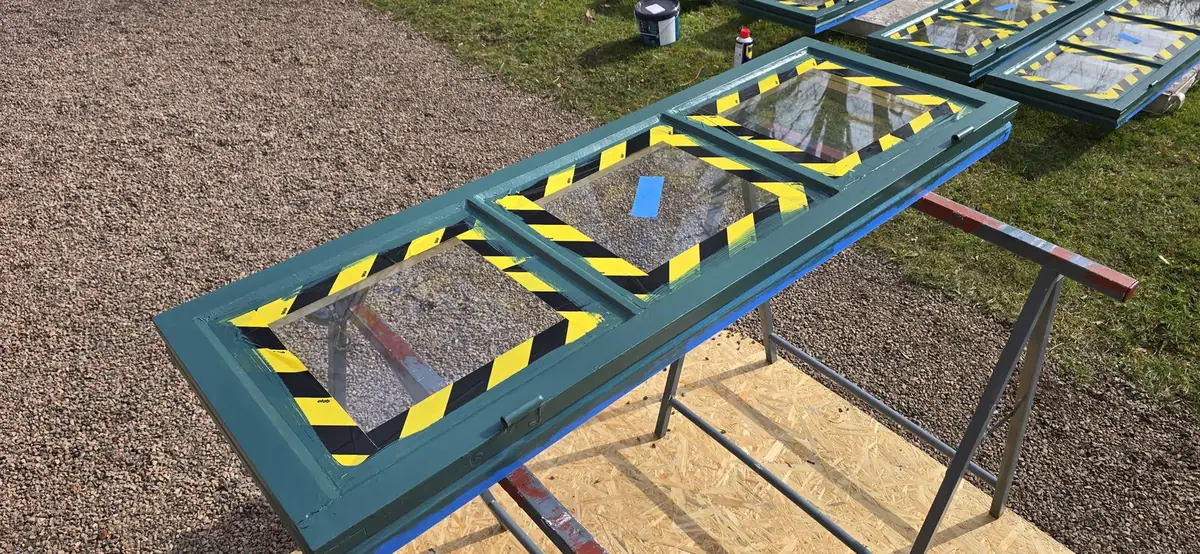
Green window sashes with masked panes on trestles at Kvidinge church.
Project photo from Kvidinge church: masked window sashes on trestles.

Does oil-based paint yellow indoors over time?

Compare the selected product’s colour-stability information for interior woodwork, especially for pale colours and areas with little light. Paint category alone does not prove how a particular product will age.

Yellowing and discolouration need assessment before repainting. Consider the existing binder, light exposure, contamination and any staining; select a compatible system for the identified cause.

For a lasting colour match, compare the actual product, sheen and colour specification and inspect a sample in the room. Do not promise a fixed period of whiteness without evidence for the specific coating.

For heavily handled woodwork, select a product intended for that use and follow its curing and cleaning requirements. The quote should identify the system where relevant. The related service is interior painting of rooms and woodwork.

Indoors: staying white versus wear resistanceCompare the proposed products’ colour stability and resistance to the expected handling and cleaning. A broad acrylic or oil-based label does not establish which performs better.INDOORS: STAYING WHITE VERSUS WEAR RESISTANCEAcrylic – indoor yellowingCheck product colour stabilityOil-based – indoor yellowingCheck product colour stabilityAcrylic – high-wear surfacesCheck stated performanceOil-based – high-wear surfacesCompare specified products
Choose from product-specific evidence for the surface and expected wear, not a universal binder ranking.

When should you choose oil-based or acrylic paint?

Select a complete system compatible with the substrate, existing coating and intended use, including exposure, finish and maintenance requirements. Neither broad paint category is best for every surface.

Ask what the substrate and existing coating are, which products are compatible, and which exposure and finish requirements apply. Then plan the work using the product’s drying and curing information.

A sound existing coating may be recoated with a compatible system, but confirm the preparation and any primer first. Weigh the actual repair and preparation work before choosing to retain or change the system.

The paint system is selected after assessing the surface. Ask for the agreed scope, schedule and any warranty terms in writing. To compare paints for the outside of your house, read our guide to linseed oil paint, acrylic and distemper for timber façades. Ready for a fixed-price quote for your windows and woodwork? Book a free site visit and we will meet you there.

Three questions that determine your paint choiceThree questions to help choose between oil-based and acrylic paint: question 1, what is on the surface now; question 2, how exposed is the detail; question 3, how quickly must the work be finished?THREE QUESTIONS THAT DETERMINE YOUR PAINT CHOICE1Question 1 – The surfacewhat is on the surface now2Question 2 – Exposurehow exposed is the detail3Question 3 – The schedulehow quickly must the work be finished
The decision comes down to three questions about the surface, exposure and schedule.

Frequently asked questions

Is acrylic or oil-based paint best for windows?
Choose a system approved for the actual timber, putty, existing coating and exposure. Neither acrylic nor oil-based paint is universally best, and mixing products is appropriate only when the system instructions allow it.
Do I need to prime when switching from oil-based to acrylic paint?
A primer may be needed, but the answer depends on the existing coating and chosen topcoat. Follow the system’s cleaning, abrasion, compatibility and primer instructions; a generic primer does not guarantee adhesion.
How long does paint take to dry on woodwork?
Use the selected product’s recoat, handling and full-cure times. Temperature, humidity, coat thickness and ventilation affect timing; a universal 1–2-hour acrylic or one-day oil-paint rule is not reliable.
Does oil-based paint last longer than acrylic on exposed details?
Durability depends on the specific system, sound detailing, preparation, exposure and maintenance. The broad label oil-based or acrylic does not establish which will last longer on a particular window.

Updated

Request a fixed price

Estimate your project cost

Estimate your project cost

Select the service, scope and customer type. The calculator loads here.

Request a quote